How to Treat Bone Loss in Gums?

Bone loss in gums is a serious dental condition that can affect your smile, oral health, and overall confidence. When the jawbone supporting your teeth begins to shrink or weaken, it can lead to loose teeth and even tooth loss. Many people do not realize they have bone loss in their teeth until symptoms become noticeable. Early diagnosis and the right care plan can help protect your smile for years to come.
At Coastal Periodontics, patients receive advanced periodontal care focused on restoring oral health and preventing further damage.
What Causes Bone Loss in the Gums?
Bone loss in the gums typically develops due to untreated periodontal (gum) disease. Bacteria from plaque build up under the gumline, causing inflammation that destroys supporting tissue and bone.
Common causes include:
- Advanced gum disease (periodontitis)
- Poor oral hygiene
- Smoking or tobacco use
- Missing teeth without replacement
- Teeth grinding (bruxism)
- Trauma or injury
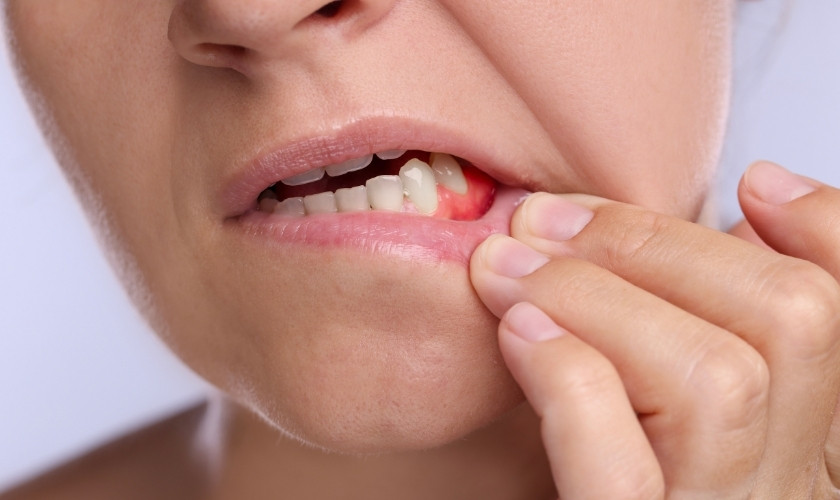
As bone deteriorates, you may notice gum recession, loose teeth, or changes in bite alignment. Over time, losing bone around teeth can make it difficult to chew comfortably.
Signs and Symptoms of Gum Bone Loss
Early detection improves treatment success. Watch for:
- Bleeding gums
- Persistent bad breath
- Receding gums
- Loose or shifting teeth
- Changes in how teeth fit together
If you experience these symptoms, seeking professional evaluation is important to prevent further damage.
Teeth Bone Loss Treatment Options
Modern dentistry offers several effective teeth bone loss treatment solutions depending on the severity of the condition.
1. Scaling and Root Planing
This deep cleaning procedure removes plaque and bacteria from below the gumline. It helps stop infection and slows further bone deterioration.
2. Bone Grafting
Bone grafting restores areas where bone has been lost. Natural or synthetic graft materials stimulate new bone growth and strengthen the jaw.
3. Guided Tissue Regeneration
This advanced procedure encourages the body to regrow bone and gum tissue using special membranes.
4. Dental Implants
When tooth loss occurs due to gum bone loss, dental implants can replace missing teeth while preserving jaw structure.
Early treatment prevents complications and reduces the risk of further bone loss in the gums.
Why Local Periodontal Care Matters
Choosing a trusted local specialist ensures personalized care and long-term monitoring. Patients in the area can visit our office for advanced diagnostics and customized treatment planning. Preventive care and early therapy play a major role in protecting your smile.
If you notice signs of bone loss in teeth, professional care can help restore stability and comfort. To Book An Appoinmnet, call +18508485735 today and schedule a consultation with an experienced periodontal team.
Preventing Future Bone Loss
After treatment, maintaining oral health is essential:
- Brush twice daily with a soft-bristle toothbrush
- Floss daily
- Use antimicrobial mouthwash
- Schedule regular periodontal maintenance visits
- Avoid tobacco products
- Manage health conditions like diabetes
Consistent care reduces inflammation and helps preserve jawbone density.
Frequently Asked Questions
- Can bone loss in the gums grow back naturally?
Mild bone loss typically does not regenerate on its own. Professional treatments such as bone grafting or guided regeneration are needed to restore lost bone structure.
- Is gum bone loss permanent?
Without treatment, it can become permanent. Early periodontal therapy can stop progression and, in some cases, rebuild lost support.
- How long does bone graft healing take?
Healing time varies, but most patients recover within three to six months as new bone integrates with the graft material.
- Does bone loss always mean tooth extraction?
Not always. Many teeth can be saved with timely periodontal care and proper stabilization treatments.
- Are dental implants safe after bone loss?
Yes. With adequate bone support or successful grafting, implants are a reliable option for replacing missing teeth.
- Can brushing harder prevent bone loss?
Brushing aggressively can worsen gum recession. Gentle brushing combined with regular dental visits is more effective.
- How often should periodontal checkups be scheduled?
Most patients benefit from maintenance visits every three to four months to monitor healing and prevent recurring infection.