
How to Get Rid of White Spots on Teeth: Causes, Treatments, and Prevention

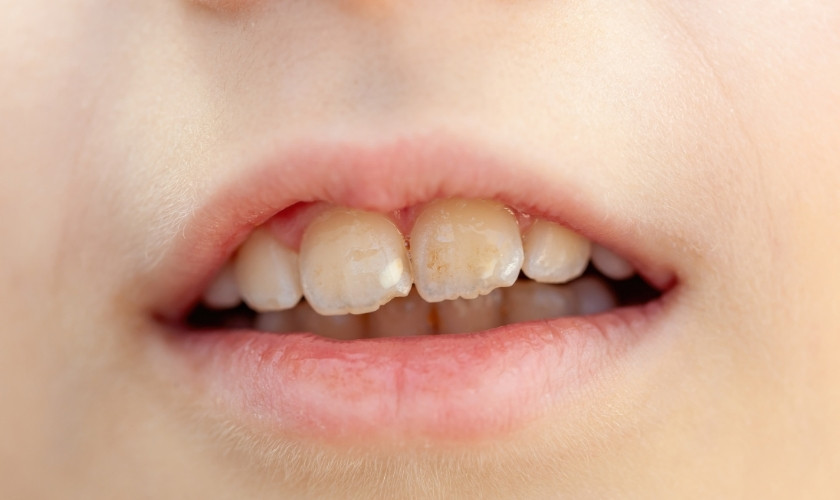
White spots on teeth can be a cosmetic nightmare, making your smile look uneven or dingy. These small, chalky patches often appear on the enamel and might signal early decay, fluoride overuse, or enamel thinning. If you’re in Fort Walton Beach and noticing these spots, you’re not alone – many locals deal with them due to diet, poor oral hygiene, or even orthodontic treatments. The good news? They’re often treatable with the right approach.
At Coastal Periodontics, we help patients restore their confident smiles through expert diagnosis and customized care. Understanding the root causes is the first step to effective removal.
Common Causes of White Spots on Teeth
White spots form when enamel demineralizes, losing minerals like calcium and phosphate. Here’s what typically triggers them:
- Demineralization from plaque: Acid-producing bacteria in plaque erode enamel, especially if you snack on sugary or starchy foods frequently.
- Fluorosis: Too much fluoride during childhood tooth development creates fluorotic spots, often from excessive toothpaste or water fluoridation.
- Braces or orthodontics: Braces trap food particles, leading to poor cleaning and spot formation around brackets.
- Enamel hypoplasia: A developmental issue where enamel doesn’t form properly, sometimes linked to illness or malnutrition in early years.
- Dietary habits: High-acid drinks like sodas or citrus juices weaken enamel over time.
Spotting these early prevents bigger issues like cavities. If spots feel rough or sensitive, a professional evaluation is key.
Home Remedies to Reduce White Spots
While professional treatment is ideal, some at-home strategies can help remineralize enamel mildly:
Start with oil pulling: Swish coconut oil for 10-15 minutes daily to reduce bacteria. It won’t erase spots but supports enamel health.
Diet tweaks matter too. Cut back on acidic and sugary items; opt for crunchy veggies like celery that naturally scrub teeth. Rinse with water after meals to neutralize acids.
Remineralizing toothpaste with nano-hydroxyapatite or high-fluoride formulas (under professional guidance) can rebuild minerals. Brush gently twice daily, but avoid overbrushing, which worsens spots.
For a quick boost, try baking soda paste: Mix with water and brush once a week. Its mild abrasiveness polishes without damage, but don’t overdo it.
These methods work best for mild cases. Persistent spots need expert intervention to avoid progression.
Professional Treatments for White Spots
When home remedies fall short, dental pros like those at Coastal Periodontics in Fort Walton Beach offer proven solutions. Call us at +1 8508205833 for a consultation.
- Microabrasion: A gentle enamel sanding with acid and pumice removes thin surface spots. It’s quick, painless, and effective for fluorosis.
- Bleaching or resin bonding: Custom whitening targets spots, while bonding applies tooth-colored resin to mask them seamlessly.
- Icon therapy: This infiltrates spots with a low-viscosity resin, sealing them without drilling. Ideal for early decay.
- Veneers or crowns: For severe cases, porcelain veneers cover spots entirely, giving a flawless smile.
Treatments vary by cause – demineralized spots respond to remineralization, while hypoplastic ones need cosmetic fixes. Expect visible results in 1-2 visits.
Prevention Tips for a Spot-Free Smile
Preventing white spots is easier than treating them. Maintain these habits:
- Brush with fluoride toothpaste for two minutes, twice daily, using a soft brush.
- Floss nightly to remove plaque between teeth.
- Limit snacks; drink water or milk to buffer acids.
- Get regular check-ups – early detection at places like Coastal Periodontics catches issues fast.
- Use a straw for acidic drinks to minimize enamel contact.
Kids under 6 need pea-sized amounts of toothpaste to avoid fluorosis. Professional cleanings every six months keep enamel strong.
Frequently Asked Questions (FAQs)
- What causes white spots on teeth?
White spots result from enamel demineralization due to plaque acids, excess fluoride, braces, poor diet, or developmental issues like hypoplasia. Early intervention prevents cavities.
- Can white spots on teeth go away on their own?
Mild spots from early demineralization may remineralize with good hygiene and fluoride, but fluorosis or hypoplasia spots persist without treatment. Monitor and consult a dentist.
- Are white spots on teeth cavities?
Not always—early cavities appear as white spots from demineralization, but untreated ones turn brown or form holes. A professional exam distinguishes them from fluorosis.
- How long do treatments for white spots take?
Microabrasion or Icon therapy often completes in one 30-60 minute visit. Bonding or veneers may need 1-2 sessions. Results appear immediately post-procedure.
- Is it safe to whiten teeth with white spots?
Professional whitening can help uniform color but may highlight spots if not pre-treated. Dentists assess first to avoid uneven results or sensitivity.
- Can diet affect white spots on teeth?
Yes, acidic/sugary foods promote demineralization. Reduce sodas, citrus, candies; choose dairy, veggies for minerals. Rinse after meals to protect enamel.