
Laser Dentistry
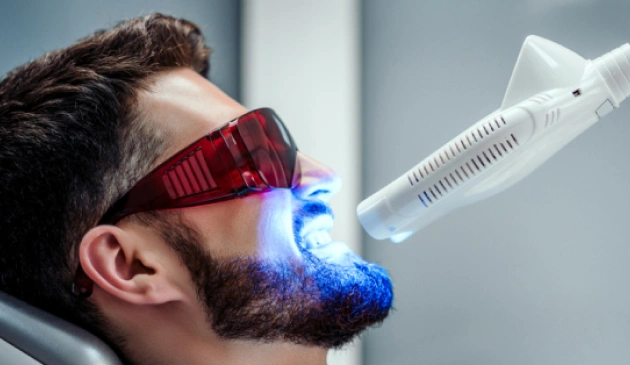
Laser Treatment in Fort Walton Beach, FL
Laser technology is an excellent option for general dental practices. Widely used across various medical specialties, including dentistry, lasers deliver highly focused beams that can precisely alter or remove small amounts of tissue. Our dentist utilizes lasers for a range of procedures, including gum remodeling, teeth whitening, and the removal of excess tissue.
Periodontal Disease Can Be Treated With The Help Of Laser Dentistry
Periodontal disease, commonly known as gum disease, is an infection affecting the tissues and bones that support the teeth. It often impacts adults in their 30s and 40s due to various factors such as poor dental hygiene, genetic predisposition, chronic conditions like diabetes, smoking, and certain medications.
Scaling and root planing (SRP) is a typical non-invasive treatment for periodontal disease. This procedure cleans the surfaces of the teeth and their roots, especially when they are exposed due to gum recession.
Laser treatment offers several benefits, including tissue preservation, regeneration, and bone-building. In this approach, the dentist uses a laser to access infected pockets, eliminating affected tissue and harmful microorganisms. After the diseased tissue is removed and the root is exposed, an ultrasonic root cleaner is used to eliminate calculus instead of traditional scraping methods. Finally, laser energy warms the stem cells in the blood-rich pocket, sealing the tissue against the tooth root.
Importantly, no gum tissue is intentionally removed during laser treatment, and it does not lower the gum tissue level. Instead, the procedure promotes the regeneration of connective tissue, bone, and collagen, aiding the body’s healing process to restore lost ligaments and bone around the tooth.
- The Minimally Invasive Way
- No More Rubber Cups
- No More Brushes
- No More Paste
- Less Use Of Power And Hand Instrumentation
Advantages Of Laser Technology In Gum Treatment
- Gingivitis can lead to significant gum bleeding and bone loss, making it essential to eliminate bacteria from the teeth and gingival spaces. Lasers not only remove bacteria but also kill microorganisms, helping to reduce gum bleeding and swelling. This approach may even lessen the need for more invasive treatments, such as gum surgery.
- The laser’s wavelengths and power levels can be adjusted according to the severity of the periodontal disease, allowing dentists to tailor the treatment to each patient’s specific long-term needs.
- Laser treatment is gentle on the gums, teeth, and surrounding tissues, resulting in a significantly shorter recovery period compared to traditional surgery. Patients typically heal faster, expediting the entire process.
- Because lasers are less intrusive and do not require drilling, they minimize the pressure patients feel, often eliminating the need for anesthesia. This leads to reduced pain and discomfort, helping patients feel more relaxed during treatment.
- The precision of laser treatment allows for the preservation of healthy tooth structure while effectively removing cavities. Maintaining any healthy teeth in patients with severe bacterial infections can contribute to better long-term outcomes.
- Lasers also help sterilize the treatment area, reducing the risk of bacterial infections, and often do not require additional instruments. Laser therapy can improve clinical results in less time while decreasing discomfort and the need for more invasive procedures. It can be used alongside standard treatments or as a standalone option, depending on the type and severity of the periodontal disease.
New Patients Appointments Welcome!