What To Expect After A Bone Graft: Healing, Diet & Aftercare Tips

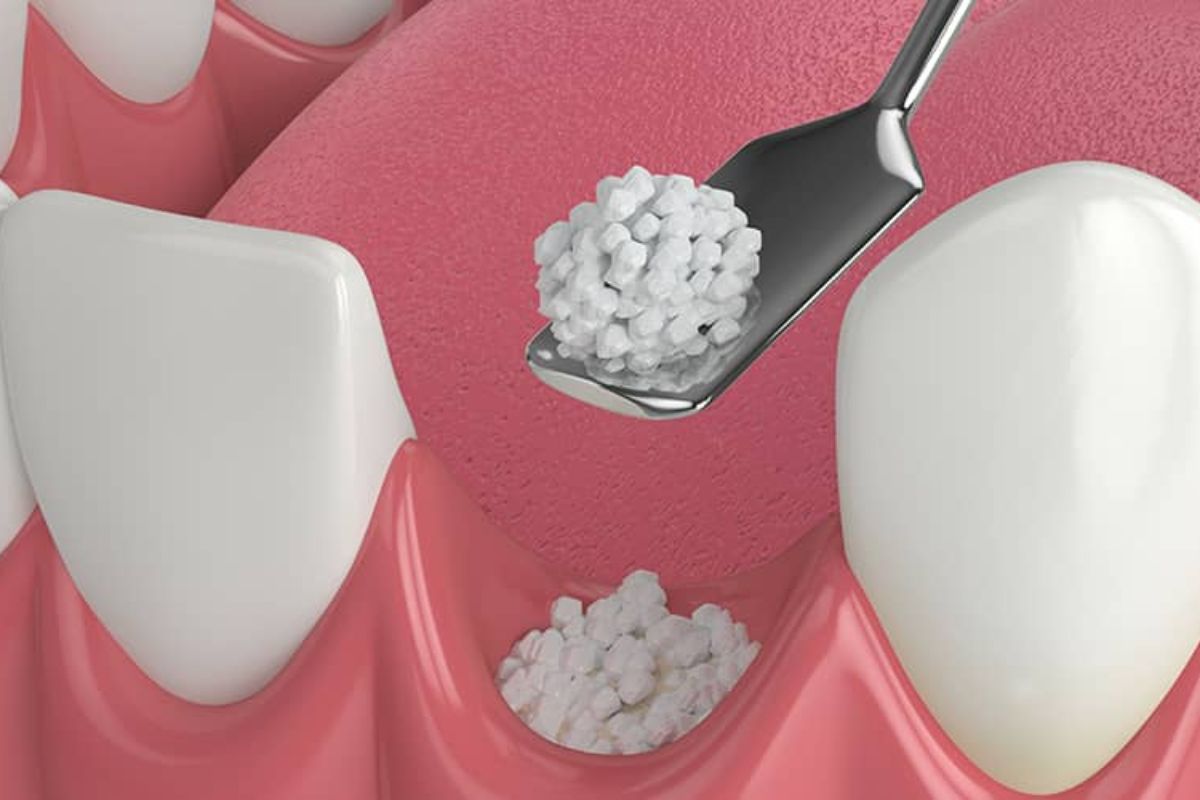
Hey there! Thinking about getting a bone graft? That’s a fantastic step towards restoring your smile or addressing a dental concern. But like any medical procedure, knowing what lies ahead can ease your mind and set you up for a smooth recovery. You’re probably wondering about the healing timeline, what you can munch on, and how to best care for your mouth afterward, right? Well, you’ve come to the right place! Let’s dive into what you can expect after a bone graft, backed by some interesting stats and helpful tips.
The Healing Journey: Patience is Key
The initial healing phase after a bone graft typically lasts 1 to 2 weeks. During this time, it’s common to experience some swelling, bruising, and mild discomfort in the surgical area. According to the American Academy of Periodontology, most patients report that the pain is manageable with over-the-counter pain relievers.
Now, for the exciting part – the actual bone regeneration! This process is a bit longer, taking anywhere from 3 to 9 months, and in some cases, even longer. The exact timeline depends on several factors, including the size and location of the graft, the type of grafting material used, and your healing ability. A study published in the Journal of Oral Implantology found that the successful integration of bone grafts is crucial for the long-term success of dental implants, with a reported success rate of over 90% in healthy individuals.
Don’t be alarmed if you don’t feel much happening during those months. The new bone is forming at a cellular level, laying the foundation for future dental work, like implants. Your periodontist will monitor your progress with follow-up appointments and X-rays to ensure everything is healing as expected.
Fueling Your Recovery: Diet Matters
In the immediate days following your bone graft, sticking to a soft diet is crucial to protect the surgical site and promote healing. Think of foods like:
- Smoothies and protein shakes: Easy to consume and packed with nutrients.
- Yogurt and pudding: Cool and soothing for any discomfort.
- Mashed potatoes: A comforting and non-chewing option.
- Soup (lukewarm): Provides hydration and nourishment.
- Scrambled eggs: A good source of protein.
As the initial tenderness subsides, you can gradually reintroduce slightly more textured foods. However, it’s essential to avoid hard, crunchy, or chewy foods that could irritate the bone graft site for several weeks or as advised by your periodontist. A survey by the American Dental Association found that following post-operative dietary instructions significantly reduces the risk of complications after oral surgery.
Staying hydrated is also paramount. Drink plenty of water to aid in the healing process. Avoid using straws, as the suction can dislodge blood clots and interfere with healing.
Smart Aftercare: Setting Yourself Up for Success
Proper aftercare is non-negotiable for a successful bone graft. Here are some essential tips:
- Rest: Take it easy for the first few days after surgery. Avoid strenuous activities that could increase bleeding or swelling.
- Ice Packs: To minimize swelling, apply ice packs to the outside of your face near the surgical area for 15-20 minutes at a time, several times a day, for the first 24-48 hours.
- Pain Management: Take prescribed or over-the-counter pain medication as directed by your periodontist.
- Oral Hygiene: Gently rinse your mouth with a saltwater solution (1/4 teaspoon of salt in a cup of warm water) several times a day, starting the day after surgery. Be careful not to swish too vigorously. Avoid brushing directly on the surgical site. Your periodontist may provide specific instructions for cleaning the area.
- Avoid Smoking: Smoking significantly hinders the healing process and increases the risk of graft failure. According to the Centers for Disease Control and Prevention (CDC), smokers experience higher rates of complications after oral surgeries.
- Follow-Up Appointments: Attend all scheduled follow-up appointments with your qualified periodontist in Fort Walton Beach. These appointments are crucial for monitoring your healing and addressing any potential concerns.
Getting a bone graft is an investment in your oral health. By understanding the healing process, following a proper diet, and diligently adhering to aftercare instructions, you’ll be well on your way to a successful outcome. Remember, your periodontist is your best resource, so don’t hesitate to reach out with any questions or concerns!