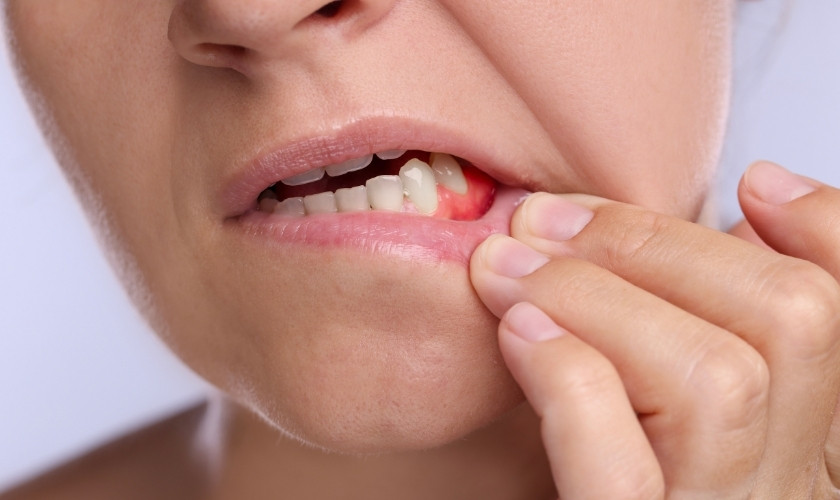
When To Visit A Periodontist For Gum Recession


Gum recession is a common dental problem many overlook, yet it can lead to serious consequences if left untreated. When gums recede, they pull back from the teeth, exposing the sensitive tooth roots. Ignoring these signs can increase the risk of tooth decay, heightened sensitivity, and even tooth loss.
Because periodontal disease progresses slowly, the symptoms can be subtle at first, making it difficult to recognize the problem until it’s more severe. If you’re uncertain when gum recession requires a periodontist’s intervention, this blog will help clarify when to act.
What is the Gum Recession?
Gum recession occurs when the gum tissue surrounding your teeth wears away or pulls back, revealing more of the tooth roots. This condition can develop for various reasons, such as poor oral hygiene, aggressive brushing, or gum disease. As the gums recede, the exposed tooth roots become vulnerable to decay and sensitivity. Receding gums can also affect the appearance of your smile, making your teeth look longer than they are.
Common Causes of Gum Recession
Several factors contribute to gum recession, many of which are preventable. Here are the most common causes:
- Aggressive Brushing: Brushing too hard can gradually wear down gum tissue, causing it to recede.
- Gum Disease: Periodontal disease is an infection that affects the gums, leading to inflammation and gum recession.
- Poor Oral Hygiene: Inadequate brushing and flossing can result in plaque and tartar buildup, which contribute to gum recession.
- Genetics: Some individuals are genetically predisposed to gum recession.
- Teeth Grinding: Constant clenching or grinding of your teeth can put pressure on your gums, leading to recession.
- Tobacco Use: Smoking or chewing tobacco can damage gum tissue, accelerating gum recession.
By understanding these causes, you can take steps to prevent gum recession and protect your oral health.
When to See a Periodontist
Although gum recession can start subtly, there are clear warning signs that indicate it’s time to seek professional help from a periodontist. Watch for these signs:
- Increased Tooth Sensitivity
A common symptom of gum recession is heightened sensitivity. If you experience discomfort when consuming hot, cold, or sweet foods, it may be due to exposed tooth roots. A periodontist can assess the situation and suggest treatments to reduce sensitivity and prevent further issues. - Visible Tooth Roots
As gums recede, the roots of your teeth may become visible. This exposes your teeth to a higher risk of decay and infection. If you notice exposed tooth roots, it’s important to consult with a periodontist promptly. Early intervention can help prevent further damage. - Swollen or Bleeding Gums
Frequent gum bleeding or swelling is a sign of gum disease, which can lead to gum recession if left untreated. If your gums bleed during brushing or flossing, it’s time to schedule an appointment with a periodontist. They can evaluate your gums and recommend treatment to stop the progression of gum disease. - Loose or Shifting Teeth
Gum recession weakens the support structures for your teeth, making them more prone to shifting or even loosening. If your teeth feel loose or appear to shift in position, consult a periodontist immediately to prevent tooth loss. - Changes in Your Smile
A receding gumline can change the appearance of your smile, causing your teeth to look longer. While this cosmetic change can impact your confidence, it’s also a sign of an underlying dental issue. A periodontist can help restore both the health and appearance of your gums.
Why Should You Visit a Periodontist?
Periodontists specialize in preventing, diagnosing, and treating gum diseases and gum recession. Unlike general dentists, periodontists undergo advanced training in managing complex gum issues and can offer gum grafting, scaling, and root planing treatments. Here are a few reasons to consult a periodontist if you’re experiencing gum recession:
- Specialized Expertise: Periodontists have in-depth knowledge of gum recession and can tailor treatments based on your condition.
- Preventive Care: Early treatment by a periodontist can prevent further gum loss and damage to your teeth.
- Advanced Treatment Options: For advanced cases of gum recession, periodontists offer procedures like gum grafting, which can restore lost tissue and protect the exposed tooth roots.
Can Gum Grafting Prevent Receding Gums?
Gum grafting is a surgical procedure where tissue is taken from another part of your mouth (often the palate) or a donor source to cover the exposed tooth roots. This procedure not only helps prevent further gum recession but can also enhance the appearance of your gums. Gum grafting restores the gumline and shields your teeth from future damage.
Final Thoughts
Gum recession is a serious dental issue that should not be ignored. While practicing good oral hygiene at home can help manage mild cases, professional intervention is often required to prevent further complications. If you’re experiencing increased tooth sensitivity, visible tooth roots, or bleeding gums, it’s time to consult a periodontist. Early treatment can protect your teeth and restore your smile to its healthiest state.