Dental Implant Recovery Timeline: What to Expect After Treatment

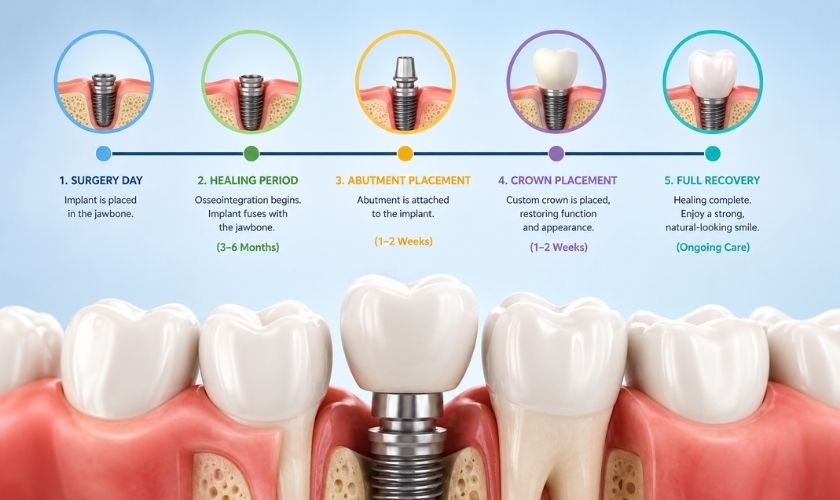
Dental implants are designed to replace missing teeth and provide a stable, natural-looking solution. While the procedure itself may take only a few hours, the complete recovery process happens gradually. Understanding the dental implant recovery timeline can help you know what to expect as your mouth heals and the implant becomes integrated with the jawbone.
The First 24 Hours After Implant Placement
The first day is mainly focused on protecting the surgical area and allowing a blood clot to form. Some swelling, mild bleeding, tenderness, or bruising can occur around the implant site. These effects are generally expected after oral surgery.
Your dentist may recommend resting, keeping your head slightly elevated, and using a cold compress during the first several hours. Follow all prescribed instructions carefully, particularly regarding medications and oral hygiene.
Eating soft, cool foods can make the first day more comfortable. Avoid chewing directly over the surgical site and stay away from very hot, hard, or crunchy foods.
Days 2 to 3: Swelling May Increase
For many patients, swelling can become more noticeable during the second or third day before gradually improving. Tenderness may also remain during this period.
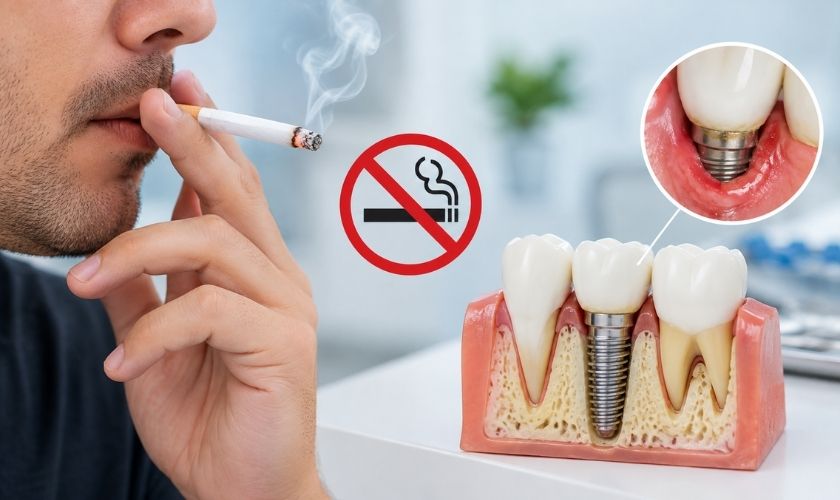
Continue following your dental team’s instructions about cleaning your mouth and taking medications. Avoid smoking or using tobacco products because they can interfere with healing. Strenuous physical activity may also need to be limited temporarily.
Keeping the implant area clean without disturbing the healing tissue is an important part of recovery.
The First Week: Early Healing
By the end of the first week, many patients notice that swelling and discomfort have started to decrease. If you have sutures, your dentist may check the area and determine whether they need to be removed or whether they will dissolve naturally.
You may gradually return to a more normal diet as comfort improves, but extremely hard or sticky foods should still be avoided around the implant site.
During this stage, the gum tissue begins healing around the implant. Good oral hygiene remains important, but brushing and flossing should be performed according to your dentist’s specific instructions.
Weeks 2 to 6: The Mouth Continues to Heal
After the first week, the surgical site may feel considerably more comfortable. However, healing is still taking place beneath the gum. The implant needs time to become securely connected with the surrounding jawbone through a process called osseointegration.
The length of this stage varies between patients. Factors such as bone quality, overall oral health, implant location, and whether a bone graft was necessary can influence the healing period.
During follow-up visits, your dental professional can monitor the implant and surrounding tissues to make sure recovery is progressing appropriately.
Two to Six Months: Implant Integration
Osseointegration is one of the most important parts of the recovery process. During this period, bone gradually grows around the implant and helps create a stable foundation for the replacement tooth.
Not everyone follows exactly the same timeline. Some implants may integrate in a few months, while others require additional healing time. Patients who have undergone bone grafting may need a longer period before the final restoration is placed.
Once the implant has healed sufficiently, your dentist can evaluate it and determine when it is ready for the next stage.
When Can You Return to Normal Activities?
Many people can return to light daily activities relatively quickly, often within a few days, depending on the extent of their procedure and how they feel. More demanding exercise may need to wait longer.
Your dental team will provide personalized guidance based on your procedure. At Coastal Periodontics, following your individualized recovery instructions can help support proper healing.
When Should You Contact Your Dentist?
Some discomfort and swelling are expected, but certain symptoms deserve professional attention. Contact your dental provider if you experience persistent or worsening pain, significant swelling, uncontrolled bleeding, fever, pus, or other unusual symptoms.
If you have concerns about your recovery, Contact Us so your dental team can determine whether additional evaluation is needed.
Tips for Supporting a Smooth Recovery
A few simple habits can support healing after dental implant treatment:
- Follow all post-operative instructions carefully.
- Keep the surgical area clean as directed.
- Choose nutritious, soft foods during early recovery.
- Avoid smoking and tobacco products.
- Do not disturb the implant site with your fingers or tongue.
- Attend recommended follow-up appointments.
- Protect the healing area from unnecessary pressure.
- Return to normal brushing and flossing according to professional guidance.
Recovery is a gradual process, so patience is important. Although the gum tissue may feel better within days or weeks, the underlying bone may continue integrating with the implant for several months.
If you have questions about your healing progress, visit our dental office for professional guidance and an evaluation tailored to your individual needs.
Frequently Asked Questions
- How long does dental implant recovery take?
Initial gum healing often takes several weeks, while complete bone integration can take a few months. The exact timeline depends on factors such as bone health, implant location, and whether grafting was performed.
- Is swelling normal after dental implant surgery?
Yes, mild to moderate swelling is common after implant placement. It may increase during the first few days and then gradually improve. Persistent or worsening swelling should be evaluated by a dental professional.
- When can I eat normally after getting an implant?
Soft foods are usually easiest during the first few days. As tenderness improves, you can gradually return to a normal diet, while avoiding hard or sticky foods that could place pressure on the healing area.
- How long does an implant take to bond with the jawbone?
Bone integration commonly takes several months, although healing varies between individuals. Your dentist will use follow-up examinations to determine when the implant has become sufficiently stable.
- Can I exercise after dental implant surgery?
Light activities may often be resumed after a short period, but strenuous exercise can increase bleeding or discomfort early in recovery. Follow your dental professional’s specific recommendations about returning to exercise.
- What can delay dental implant healing?
Smoking, poor oral hygiene, infection, inadequate bone support, certain medical factors, and failure to follow post-operative instructions can affect healing. Your dental team can discuss individual risk factors with you.
- How do I know if my implant is healing properly?
Gradually decreasing swelling and discomfort are generally reassuring signs. Your dentist will also monitor the implant during follow-up visits to assess gum healing and bone integration.