How Smoking Can Affect Your Dental Implants

Dental implants are a popular option for replacing missing teeth, restoring chewing ability, and improving the appearance of a smile. However, the success of implant treatment depends on several factors, including oral hygiene, overall health, and lifestyle habits. Smoking is one habit that can make implant treatment more challenging because it affects blood circulation, healing, and the health of the gums and supporting bone.
For people considering tooth replacement in Fort Walton Beach, understanding the connection between smoking and implant health can help them make informed decisions. Whether you currently smoke or are thinking about quitting, knowing the potential risks can help you protect your oral health and support a better recovery after treatment.
How Dental Implants Work
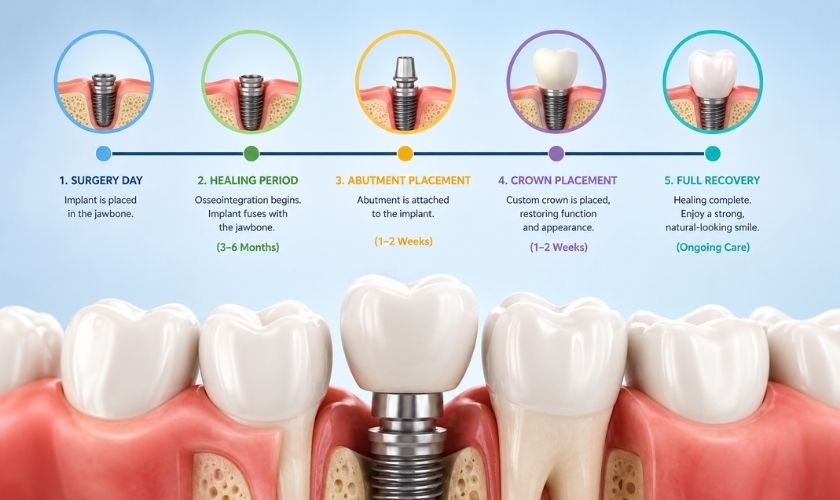
Dental implants are small posts, usually made from titanium, that are placed into the jawbone to replace missing tooth roots. As healing progresses, the bone gradually bonds with the implant through a process called osseointegration. This connection creates a stable foundation for a replacement tooth, such as a crown, bridge, or denture.
Successful healing requires healthy gum tissue, adequate bone support, and sufficient blood supply. Smoking can interfere with these processes, increasing the risk of complications during recovery and potentially affecting the long-term stability of an implant.
1. Smoking Can Slow Down Healing
After implant placement, the surrounding gum tissue and bone need time to recover. Blood carries oxygen and nutrients that support tissue repair and help the body respond to the surgical procedure.
Nicotine can narrow blood vessels and reduce blood flow, limiting the oxygen available to healing tissues. Other chemicals in cigarette smoke can also interfere with the body’s natural healing response.
As a result, smokers may experience slower recovery after implant surgery. Delayed healing can increase the likelihood of complications and may affect when the final restoration can be placed. Following postoperative instructions and avoiding tobacco can help create better conditions for recovery.
2. It Can Affect the Bond Between the Implant and Bone
One of the most important stages of implant treatment is osseointegration, when the jawbone gradually connects with the implant surface. This process helps the implant remain stable under the pressure of everyday chewing.
Smoking may interfere with bone healing and the body’s ability to establish a strong connection around the implant. Research has associated smoking with higher implant failure rates, although individual outcomes vary depending on factors such as smoking frequency, bone quality, medical history, and oral hygiene.
If the implant does not integrate properly with the surrounding bone, it may become loose or fail. Avoiding smoking during the healing period is an important step toward supporting successful integration.
3. Smoking Increases the Risk of Gum Disease
Healthy gums are essential for protecting the tissues surrounding an implant. Smoking can increase the risk of gum disease by affecting the immune response and making it harder for the body to fight harmful oral bacteria.
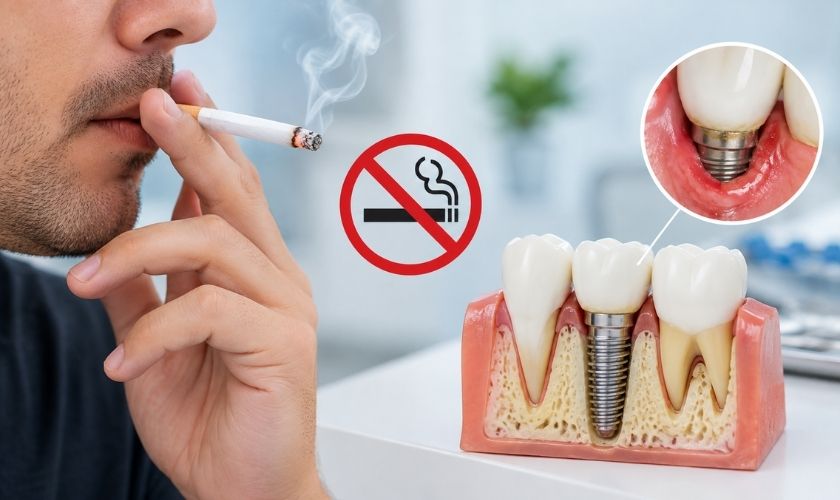
Implant patients can develop a condition called peri-implant mucositis, which involves inflammation of the gum tissue around an implant. If left untreated, it may progress to peri-implantitis, a more serious condition that damages the supporting bone.
Peri-implantitis can cause gum recession, bone loss, and, in advanced cases, implant failure. Regular professional cleanings and careful home care are important for reducing these risks, especially for people who smoke.
4. It Can Hide Warning Signs of Gum Problems
An important concern is that smoking may make some signs of gum disease less noticeable. Nicotine can reduce blood flow to gum tissues, potentially limiting visible bleeding even when inflammation is present.
This means smokers should not rely solely on bleeding gums to determine whether their oral tissues are healthy. Swelling, tenderness, persistent bad breath, gum recession, or changes in the way an implant feels can also indicate a problem.
Routine dental examinations allow a professional to assess the gums, check implant stability, and identify changes before they become more serious. Early evaluation is particularly valuable for protecting the long-term health of implant-supported teeth.
5. Smoking Can Affect Long-Term Implant Success
Although dental implants can last for many years, they require ongoing care. Smoking exposes the mouth to substances that can contribute to inflammation, impair tissue health, and increase the risk of complications over time.
The longer a person continues smoking, the more important it becomes to monitor gum health and maintain consistent oral hygiene. However, smoking does not automatically mean an implant will fail. Many factors influence the outcome, and a personalized assessment is necessary to understand individual risks.
Patients seeking dental implants in Fort Walton Beach can discuss their smoking habits, medical history, and treatment goals with a dental professional to determine an appropriate approach to care.
6. Steps Smokers Can Take to Protect Their Dental Implants
Quitting smoking is one of the most beneficial steps a person can take to improve oral and general health. Even if quitting completely feels difficult, discussing tobacco use with a healthcare professional can help identify practical ways to reduce exposure and work toward stopping.
Consider these steps to support implant health:
- Avoid smoking during recovery: Follow your dental professional’s instructions about when to stop smoking before surgery and how long to avoid it afterward. Longer-term cessation offers additional health benefits.
- Maintain excellent oral hygiene: Brush twice daily with a soft-bristled toothbrush and clean between your teeth and around implant restorations as recommended.
- Attend regular dental visits: Professional examinations can help detect gum inflammation, bone changes, and other concerns early.
- Follow postoperative instructions: Take prescribed medications as directed and follow guidance about diet, activity, and cleaning the surgical area.
- Discuss your smoking history honestly: Accurate information helps your dental team assess risks and recommend appropriate precautions.
These measures cannot eliminate every risk, but they can help support healthier tissues and improve the conditions needed for successful implant care.
7. Protect Your Smile With Professional Implant Care
Every patient has different needs, and implant treatment should account for lifestyle habits, gum health, bone support, and medical history. A thorough evaluation can help identify potential concerns and determine whether additional periodontal treatment or other preparations are necessary before implant placement.
At Coastal Periodontics, patients can discuss their oral health concerns and learn about factors that may influence implant treatment and long-term maintenance. Professional guidance can also help patients understand how smoking affects healing and what steps may reduce complications.
If you smoke and are considering implants, do not assume that treatment is automatically out of reach. An individualized consultation can help clarify your options and establish a care plan suited to your needs.
For people in Fort Walton Beach, taking proactive steps before and after implant treatment can make a meaningful difference. Improving oral hygiene, attending follow-up appointments, and working toward a tobacco-free lifestyle can help protect your investment in a healthier smile.
Contact us to learn more about implant care, discuss your concerns, and understand the options available for replacing missing teeth. With informed decisions and consistent professional care, you can take positive steps toward maintaining your oral health.
Frequently Asked Questions
- Can smokers get dental implants?
Yes, smokers may still be candidates for implant treatment. However, smoking increases the risk of healing complications and implant failure. A dental professional can evaluate gum health, bone support, and other factors before recommending treatment.
- How long should I stop smoking after implant surgery?
Your dental professional will recommend how long to avoid smoking before and after surgery. Avoiding tobacco throughout healing is important, while quitting permanently provides greater benefits for gum health and long-term implant stability.
- Does smoking increase the risk of dental implant failure?
Yes, research links smoking with a higher risk of implant failure. Reduced blood flow, impaired healing, and an increased risk of inflammation can affect how well the implant bonds with bone and remains stable over time.
- Can smoking cause infection around dental implants?
Smoking can impair the body’s ability to fight infection and heal damaged tissues. It is associated with an increased risk of peri-implant disease, which can cause inflammation and damage the bone supporting an implant.
- Will quitting smoking improve my implant success rate?
Quitting smoking can improve blood circulation and support healthier gum tissues and healing. Although it cannot guarantee success, stopping tobacco use may reduce certain complications and benefit your long-term oral and overall health.
- What are the warning signs of dental implant problems?
Warning signs include persistent pain, swelling, gum recession, pus, bad breath, or an implant that feels loose. Smoking may mask some signs of inflammation, so regular examinations are important even without obvious symptoms.
- How can I keep my dental implants healthy if I smoke?
Brush twice daily, clean around implants carefully, attend regular dental checkups, and follow professional maintenance recommendations. Discuss smoking honestly with your dental team so they can assess your risks and recommend appropriate care.