Why Do My Dental Implants Feel Loose?


Dental implants are designed to provide a secure and long-lasting replacement for missing teeth. They function much like natural tooth roots and are known for their durability. However, if your dental implant suddenly feels loose, it can be concerning. While dental implants themselves are made to remain stable, the feeling of looseness can result from several underlying issues that should not be ignored.
If you notice movement, discomfort, or changes in your bite, scheduling a professional evaluation is the best way to identify the cause and prevent further complications. At Paradise Valley Dental, patients receive personalized care to help protect the health and longevity of their dental implants.
Is It Normal for a Dental Implant to Feel Loose?
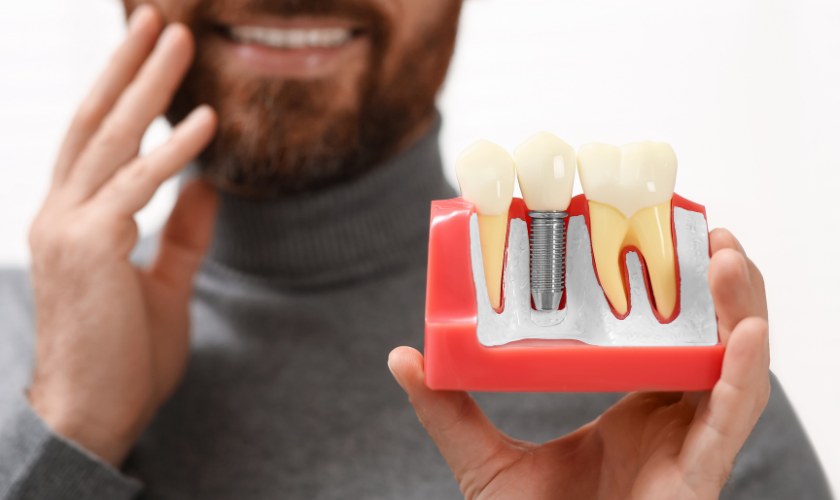
No. A properly placed and healed dental implant should not move. Unlike natural teeth, implants are fused directly with the jawbone through a process called osseointegration. Once healing is complete, the implant should remain firmly anchored.
Sometimes, however, what feels like a loose implant is actually a loose restoration, such as the crown, abutment, or connecting screw. This issue is generally easier to fix than a loose implant itself, but it still requires prompt attention.
If you’re experiencing discomfort or movement, it’s important to have the implant examined by an experienced dental professional.
Common Reasons Why a Dental Implant Feels Loose
1. Loose Implant Crown
In many cases, the implant itself remains stable while the crown attached to it becomes loose. This can happen due to normal wear, biting pressure, or a loosened screw.
Signs include:
- Movement only in the visible tooth
- Clicking while chewing
- Mild discomfort
- Difficulty biting evenly
Your dentist can often tighten or replace the crown without affecting the implant.
2. Loose Abutment or Screw
The abutment connects the implant to the crown. Over time, the connecting screw may loosen because of repeated chewing forces or teeth grinding.
Symptoms may include:
- Slight movement
- Sensitivity when biting
- Changes in bite alignment
This issue is usually repairable if treated early.
3. Failed Osseointegration
Dental implants rely on successful fusion with the surrounding jawbone. If the implant never fully integrates, it may eventually become loose.
Contributing factors include:
- Poor bone quality
- Smoking
- Uncontrolled diabetes
- Infection
- Excessive pressure during healing
Early diagnosis improves treatment options and may preserve surrounding bone.
Peri-Implantitis: A Serious Cause of Loose Implants
Peri-implantitis is an inflammatory condition affecting the tissues around a dental implant. It is similar to advanced gum disease and can gradually destroy the supporting bone.
Common symptoms include:
- Bleeding gums
- Swelling
- Bad breath
- Gum recession
- Implant movement
Without treatment, bone loss may continue until the implant loses stability. Good oral hygiene and routine dental visits significantly reduce this risk.
If you are considering a dental implant in Fort Walton Beach, understanding proper implant care is essential for long-term success.
Bone Loss Around the Implant
Even after successful healing, bone surrounding an implant can weaken over time.
Potential causes include:
- Untreated gum disease
- Poor oral hygiene
- Smoking
- Excessive bite pressure
- Medical conditions affecting bone health
As bone support decreases, the implant may eventually feel unstable. Regular examinations help identify early bone changes before they become severe.
Teeth Grinding (Bruxism)
Many people grind or clench their teeth without realizing it, especially during sleep. Constant excessive pressure places stress on implants and their components.
Possible signs include:
- Morning jaw soreness
- Worn teeth
- Frequent headaches
- Loose implant crown
Night guards are often recommended to protect both natural teeth and dental implants.
Trauma or Injury
A fall, sports injury, or direct blow to the mouth can damage implant components.
Following an injury, you may notice:
- Pain around the implant
- Swelling
- Bite changes
- Implant movement
Even if symptoms seem minor, prompt evaluation helps prevent worsening damage.
How Dentists Diagnose a Loose Dental Implant
Your dentist will carefully examine the implant and determine which component is causing the problem.
Evaluation may include:
- Clinical examination
- Digital X-rays
- Bite assessment
- Checking implant stability
- Gum health evaluation
The treatment depends on whether the crown, abutment, or implant itself is affected.
Treatment Options
Depending on the diagnosis, treatment may involve:
Tightening the Crown
If only the crown is loose, it can often be secured during a simple appointment.
Replacing the Abutment Screw
A loose or damaged screw can usually be replaced without removing the implant.
Treating Peri-Implantitis
Treatment may include:
- Professional cleaning
- Antibacterial therapy
- Deep cleaning around the implant
- Surgical treatment if necessary
Bone Grafting
When bone loss has occurred, bone grafting may help restore adequate support before additional treatment.
Implant Replacement
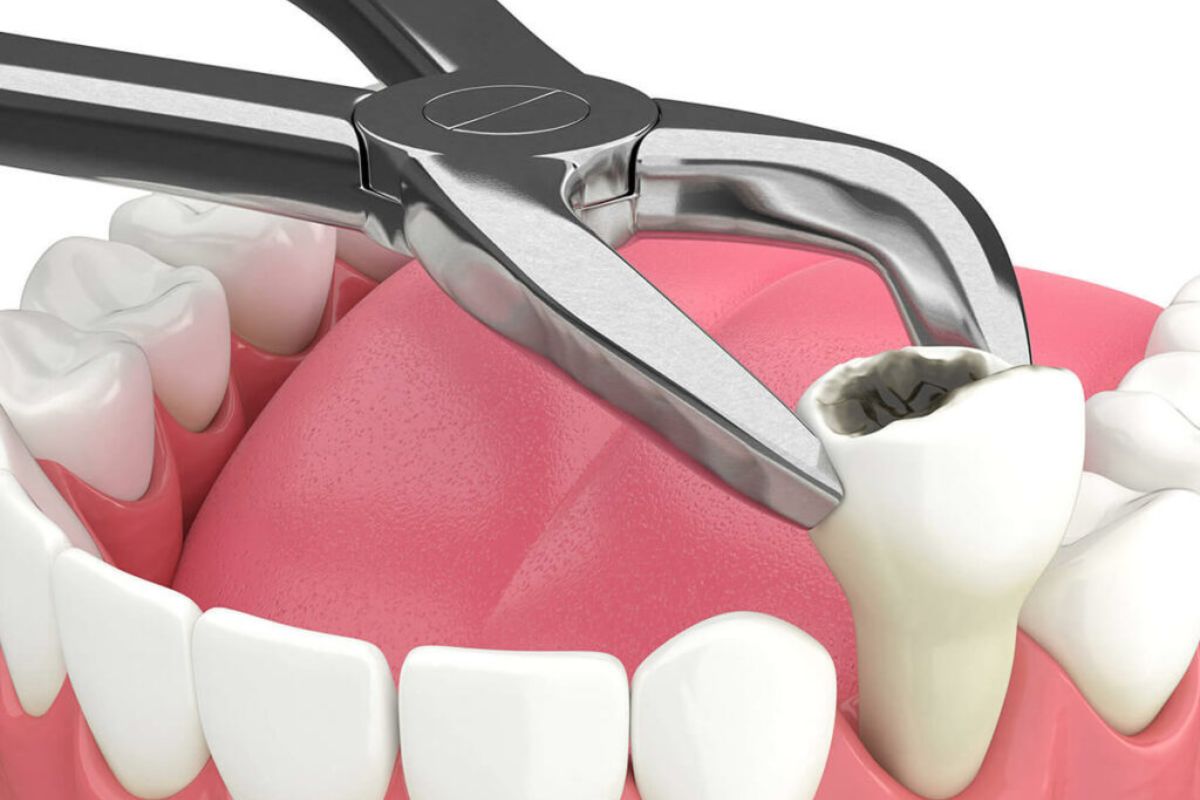
If the implant has completely failed, removal followed by healing and possible replacement may be recommended.
Every situation is unique, and treatment is based on the extent of damage and overall oral health.
How to Prevent Dental Implant Problems
Maintaining your implant is very similar to caring for natural teeth.
Helpful habits include:
- Brush twice daily
- Floss around implants every day
- Attend routine dental checkups
- Avoid smoking
- Wear a night guard if you grind your teeth
- Follow your dentist’s maintenance recommendations
Consistent preventive care greatly improves implant longevity.
Many patients researching a trusted dental practice appreciate learning about treatment experiences, so it’s always worthwhile to check our patient reviews before choosing an implant provider.
When Should You See a Dentist?
Don’t wait if you notice:
- Implant movement
- Pain while chewing
- Bleeding around the implant
- Swollen gums
- Persistent bad breath
- A loose crown
- Bite changes
Prompt treatment often prevents more extensive procedures and helps preserve the implant whenever possible.
Conclusion
A dental implant should never feel loose after proper healing. While the problem may simply involve a loose crown or screw, it can also indicate infection, bone loss, or implant failure. Early diagnosis is the key to successful treatment and protecting your long-term oral health.
If you’re experiencing implant movement or discomfort and are looking for reliable dental implants, don’t ignore the symptoms. Contact Paradise Valley Dental at 850-517-3321 to book an appointment and receive a thorough evaluation before the issue progresses.
Frequently Asked Questions
1. Can a loose dental implant be saved?
In many cases, yes. If the looseness is caused by the crown or abutment, the implant may remain healthy. Early diagnosis improves the chances of preserving the implant.
2. How can I tell if my implant crown is loose?
A loose crown may wiggle while chewing, but the implant beneath remains stable. Only a dental examination can accurately determine which part is moving.
3. Is pain always present when a dental implant becomes loose?
Not always. Some patients notice movement without pain, while others experience soreness, swelling, or discomfort depending on the underlying cause.
4. Can gum disease affect dental implants?
Yes. Peri-implantitis is an infection that damages the gums and supporting bone around implants, potentially causing looseness if left untreated.
5. Does teeth grinding damage dental implants?
Yes. Chronic grinding places excessive force on implant components and may loosen screws, damage crowns, or contribute to long-term implant problems.
6. How long should a dental implant last?
With proper oral hygiene, regular checkups, and healthy lifestyle habits, dental implants can last for decades and often remain functional for a lifetime.
7. Should I wait to see if my implant tightens on its own?
No. Dental implants do not naturally become tight again. Any movement should be evaluated promptly to identify the cause and prevent further damage.