How Long Do Dental Implants Last?

Dental implants have become one of the most reliable and long-lasting solutions for replacing missing teeth. If you’re considering this treatment in Fort Walton Beach, you may be wondering just how long dental implants truly last and what factors influence their longevity. Understanding the lifespan of implants can help you make a confident, informed decision about your oral health.
The Average Lifespan of Dental Implants
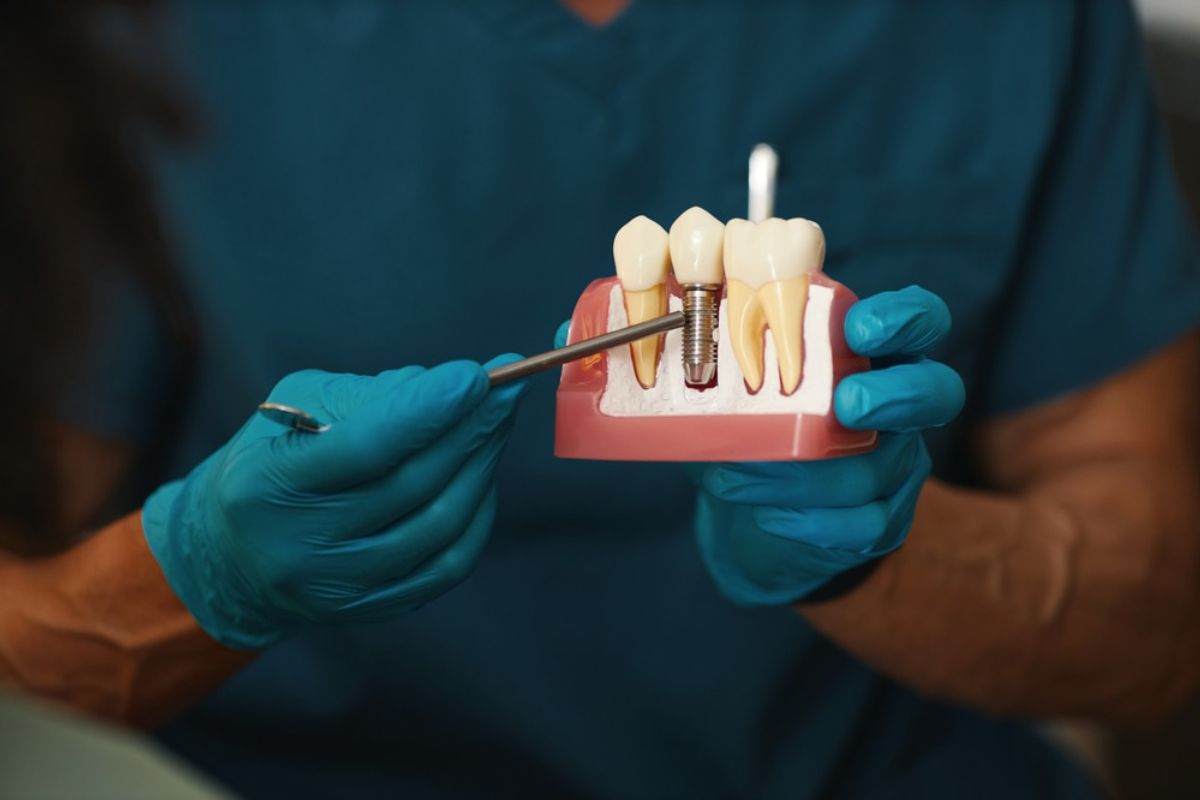
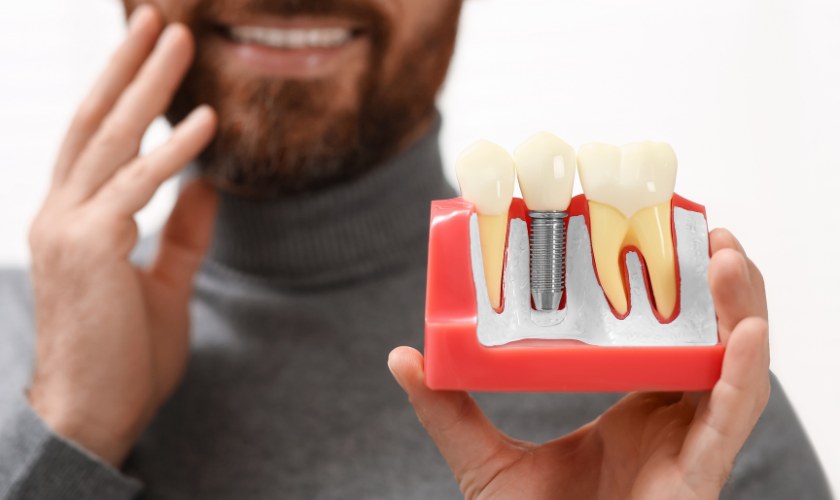
Dental implants are designed to be a permanent tooth replacement option. With proper care, the implant post itself—typically made from titanium—can last 20 years or more, and in many cases, it can last a lifetime. The crown (the visible tooth portion) may need replacement after 10 to 15 years due to normal wear and tear, especially if you grind your teeth or use them heavily.
Patients treated at Coastal Periodontics often experience excellent long-term results because dental implants integrate directly with the jawbone, creating a stable and durable foundation that mimics natural tooth roots.
What Makes Dental Implants So Durable?
The key to dental implants’ longevity lies in a process called osseointegration. This is when the implant fuses with the jawbone, forming a strong and permanent bond. Unlike dentures or bridges, implants do not rely on neighboring teeth for support, which helps preserve overall oral health.
Additionally, the materials used in implants are highly resistant to decay and damage. Titanium is biocompatible and strong, allowing it to withstand daily chewing forces without breaking down.
Factors That Affect How Long Implants Last
While dental implants are known for their durability, several factors can influence how long they last:
1. Oral Hygiene
Maintaining good oral hygiene is essential. Brushing twice daily, flossing, and regular dental visits can prevent gum disease, which is one of the leading causes of implant failure.
2. Lifestyle Habits
Smoking significantly reduces the success rate of dental implants and can shorten their lifespan. Excessive alcohol consumption and poor diet may also impact healing and long-term stability.
3. Bone Health
A strong jawbone is crucial for supporting implants. Patients with bone loss may require bone grafting before implant placement to ensure long-term success.
4. Teeth Grinding (Bruxism)
Grinding or clenching your teeth can put extra pressure on implants, potentially damaging the crown or weakening the structure over time. A night guard may be recommended in such cases.
5. Professional Care
Routine checkups and cleanings help monitor the health of your implant and surrounding tissues. Early detection of any issues ensures prompt treatment.
How to Extend the Life of Your Dental Implants
To get the most out of your dental implants, consistency in care is key. Follow these tips:
- Brush and floss daily using dentist-recommended techniques
- Visit your dentist regularly for cleanings and exams
- Avoid chewing hard objects like ice or pens
- Use a mouthguard if you play sports or grind your teeth
- Quit smoking to improve healing and long-term success
At Coastal Periodontics, patients receive personalized guidance on maintaining their implants for optimal performance and longevity.
Are Dental Implants Worth the Investment?
Dental implants may have a higher upfront cost compared to other tooth replacement options, but their long lifespan often makes them more cost-effective in the long run. Unlike dentures or bridges, which may need frequent replacement or adjustments, implants provide a stable and lasting solution.
They also improve quality of life by restoring full chewing ability, enhancing speech, and maintaining facial structure. Many patients in Fort Walton Beach find that implants not only restore their smile but also boost their confidence.
Signs Your Implant May Need Attention
Although rare, issues with dental implants can occur. Watch for the following signs:
- Persistent pain or discomfort
- Swelling or inflammation around the implant
- Loosening of the implant or crown
- Difficulty chewing
If you notice any of these symptoms, it’s important to contact your dental professional promptly. Early intervention can prevent more serious complications.
Why Choose a Specialist for Dental Implants?
Working with an experienced periodontist ensures that your implant procedure is done with precision and care. Specialists focus on gum health and bone structure, both of which are critical for successful implant placement.
Patients in Fort Walton Beach trust Coastal Periodontics for advanced implant solutions and long-term oral health care. For more information or to discuss your options, you can call +1 8508201271.
Final Thoughts
Dental implants are one of the most durable and reliable solutions for missing teeth, often lasting decades or even a lifetime with proper care. Their success depends on a combination of professional expertise, good oral hygiene, and healthy lifestyle habits.
If you’re ready to restore your smile with a long-lasting solution, check our reviews, visit our dental office, and book an appointment.
Frequently Asked Questions
1. How long do dental implants typically last?
Dental implants can last 20 years or more with proper care. The titanium post often lasts a lifetime, while the crown may need replacement after 10–15 years due to wear.
2. Do dental implants require special care?
Dental implants don’t require special products, but they do need consistent oral hygiene. Regular brushing, flossing, and dental visits help maintain gum health and ensure implant longevity.
3. Can dental implants fail over time?
Yes, implants can fail due to poor oral hygiene, smoking, or gum disease. However, with proper care and regular dental checkups, the risk of failure remains very low.
4. Is the implant procedure painful?
The procedure is typically performed under local anesthesia, so discomfort is minimal. Most patients report mild soreness after surgery, which subsides within a few days.
5. Are dental implants better than dentures?
Dental implants offer greater stability and longevity compared to dentures. They function like natural teeth and help preserve jawbone health, making them a preferred option for many patients.
6. Who is a good candidate for dental implants?
Most healthy adults with sufficient jawbone density are good candidates. A dental evaluation is needed to assess bone health and overall oral condition before treatment.
7. How long does the implant process take?
The full process can take several months, including healing time for the implant to fuse with the bone. However, the long-term benefits make it a worthwhile investment.