
What Causes Gum Recession? Understanding the Root of the Problem in Fort Walton Beach

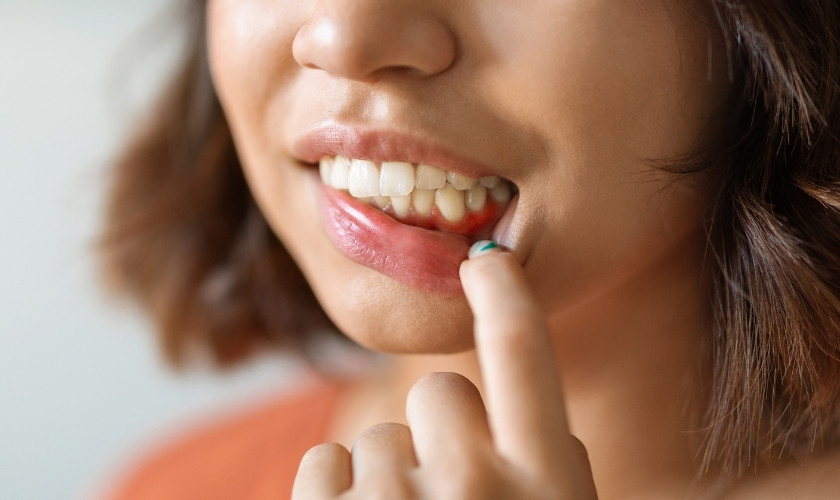
Gum recession is a common dental issue where the gum tissue pulls away from the teeth, exposing roots and creating a longer-looking tooth appearance. If you’re in Fort Walton Beach, FL, and noticing sensitive teeth or a “toothy” smile, you’re not alone – coastal lifestyles with beach activities and outdoor living can play a role. At Coastal Periodontics, we see this frequently and help patients restore their gum health. But what exactly causes gum recession? Let’s break it down.
Poor Oral Hygiene: The Silent Culprit
The foundation of gum health starts at home. Inadequate brushing and flossing allow plaque – a sticky film of bacteria – to build up along the gumline. Over time, this hardens into tartar, irritating gums, and causing inflammation known as gingivitis. If untreated, it progresses to periodontitis, where gums detach from teeth, leading to recession.
In Fort Walton Beach, where salty ocean air and humidity can exacerbate plaque buildup, consistent hygiene is crucial. Brushing twice daily with a soft-bristled toothbrush and flossing removes debris that brushing misses. Neglect here accounts for up to 90% of recession cases, per dental studies.
Aggressive Brushing Techniques
Many patients brush too hard, thinking more pressure equals cleaner teeth. This “scrubbing” motion wears down enamel and pushes gums away over the years. Imagine sanding wood too aggressively – it erodes the surface. Soft, circular motions are key; hard bristles or electric brushes on high settings amplify the damage.
Fort Walton Beach locals, with active beach lifestyles, might unconsciously brush vigorously after sandy meals. Switching to a periodontal toothbrush can prevent this.
Periodontal Disease: The Advanced Threat
Periodontal disease is the leading cause of severe recession. Bacteria invade below the gumline, forming pockets that deepen and destroy supporting bone. Symptoms include bleeding gums, bad breath, and loose teeth. Genetics plays a role – some inherit thin gums prone to recession – but infection accelerates it.
At Coastal Periodontics in Fort Walton Beach, FL, we specialize in treating periodontitis with scaling, root planing, and advanced therapies like laser treatment to regenerate tissue.
Genetics and Thin Gums
Not all recessions stem from habits; some are born with it. Thin gum tissue or low gumlines make roots more vulnerable. If family members have receding gums, you’re at higher risk. Studies show 30-50% of recession links to genetics, independent of hygiene.
In sunny Fort Walton Beach, where vitamin D from beach time supports bone health, genetic factors still dominate for many.
Hormonal Changes and Medical Factors
Hormones fluctuate during pregnancy, menopause, puberty, or with birth control, thinning gums, and increasing recession risk. Conditions like diabetes weaken immunity, impairing gum healing, while smoking or tobacco use constricts blood vessels, starving gums of oxygen.
Medications such as blood pressure drugs cause dry mouth, reducing saliva’s protective effects. Orthodontic treatments or misaligned bites (malocclusion) can also stress gums unevenly.
Tooth Grinding (Bruxism) and Trauma
Clenching or grinding teeth, often at night, exerts excessive force on gums. Sports injuries, piercings, or even aggressive flossing can pierce delicate tissue. Piercings, popular in coastal areas like Fort Walton Beach, rub against gums, wearing them down.
Lifestyle and Environmental Contributors
Fort Walton Beach’s unique environment adds twists. Sugary beach snacks fuel bacteria, while grinding sand between teeth during windy days mimics abrasive brushing. Dehydration from outdoor activities reduces saliva flow, worsening exposure.
Prevention Tips for Fort Walton Beach Residents
Stay proactive:
- Brush gently for two minutes twice daily.
- Floss daily and use antimicrobial mouthwash.
- Quit smoking and manage health conditions.
- Wear night guards for grinding.
- Visit your periodontist biannually.
Early intervention halts progression – check our reviews to see how we’ve helped locals.
Ready to protect your smile? Call us today at 850-517-3321 or book an appointment today.
Frequently Asked Questions
1. Can gum recession be reversed naturally?
Gum recession cannot fully reverse naturally once tissue is lost, as adult gums don’t regenerate like skin. However, improving hygiene halts progression, and professional treatments like scaling or grafts can restore coverage. Early action prevents worsening.
2. How do I know if I have gum recession?
Signs include longer-looking teeth, tooth sensitivity to hot/cold, gum inflammation, or visible roots. Use a mirror to check if gums have pulled away. Regular dental exams measure pocket depths accurately for confirmation.
3. Is gum recession painful?
Early recession is often painless, but exposed roots cause sensitivity to temperature, sweets, or air. Advanced cases may lead to discomfort, swelling, or infection pain. Sensitivity toothpaste helps manage symptoms temporarily.
4. Does gum recession affect all ages?
It can occur at any age but is more common after 40 due to cumulative damage. Younger people with aggressive brushing, genetics, or piercings face risks too. Teens in orthodontic treatment are also vulnerable to early recession.
5. Can gum recession lead to tooth loss?
Yes, untreated recession exposes roots to decay and weakens bone support, increasing infection risk and potential tooth loss. Periodontitis from recession destroys attachments, making teeth mobile over time if ignored.
6. How does smoking contribute to gum recession?
Smoking restricts blood flow to the gums, slowing healing and worsening inflammation from plaque. Toxins weaken tissue attachments, accelerating recession and periodontitis progression in smokers versus non-smokers.
7. What’s the role of diet in gum recession?
A diet high in sugars feeds bacteria, promoting plaque and inflammation. Vitamin C deficiency weakens collagen in the gums. Balanced nutrition with fruits, veggies, and low sugar supports gum health and tissue strength.