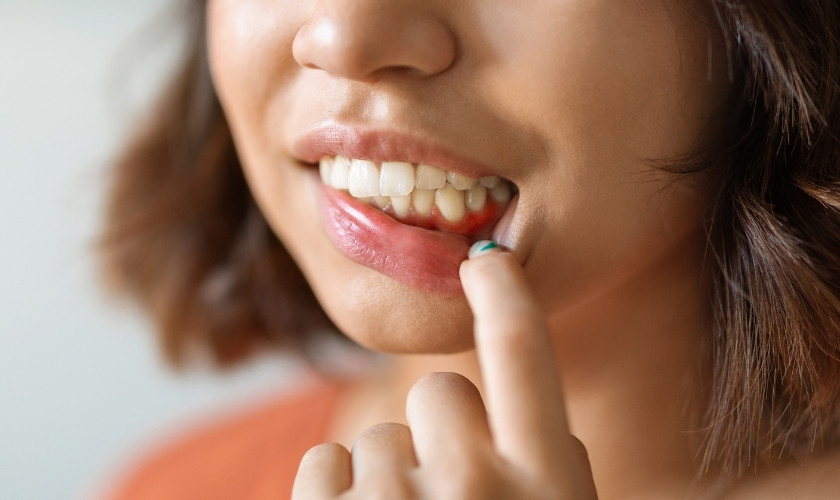
What Causes Bone Loss in Teeth? Insights from Coastal Periodontics in Fort Walton Beach


Bone loss in teeth, medically known as alveolar bone loss, is a silent threat that can destabilize your smile and oral health. This condition erodes the jawbone supporting your teeth, leading to loosening, shifting, or even tooth loss if left unchecked. At Coastal Periodontics in Fort Walton Beach, FL, we see this issue frequently among patients from our coastal community, where factors like saltwater exposure and active lifestyles play unique roles. Understanding the causes empowers you to protect your dental foundation – let’s break it down.
The Role of Periodontal Disease: The Leading Culprit
The primary cause of bone loss in teeth is periodontal disease, often starting as gingivitis and progressing to periodontitis. Plaque – a sticky film of bacteria – builds up on teeth and hardens into tartar. If not removed through brushing, flossing, and professional cleanings, it irritates gums, causing inflammation.
In periodontitis, bacteria burrow deeper, forming pockets between teeth and gums. The body’s immune response fights back, but this battle releases enzymes and inflammatory chemicals that break down bone and connective tissue. Over time, the jawbone recedes, leaving teeth unsupported. Studies from the American Academy of Periodontology show that advanced periodontitis affects nearly 50% of adults over 30, with bone loss accelerating after age 50.
In Fort Walton Beach, our humid climate and beach-loving habits can exacerbate this. Sugary snacks during outdoor activities feed bacteria, while neglecting oral hygiene after seafood meals speeds plaque buildup.
Lifestyle Factors That Accelerate Bone Loss
Beyond disease, daily habits contribute significantly:
- Poor Oral Hygiene: Inconsistent brushing or skipping flossing allows bacteria to thrive, directly attacking bone.
- Smoking and Tobacco Use: Nicotine constricts blood vessels, starving gums of oxygen and nutrients needed for bone repair. Smokers face a 2-7 times higher risk of severe periodontitis.
- Diet Deficiencies: Low calcium, vitamin D, or protein intake weakens bone density. Sugary, acidic diets (common in Florida’s tropical treats) promote decay, indirectly causing bone erosion.
- Teeth Grinding (Bruxism): Nighttime clenching exerts excessive force on teeth and bone, wearing them down over the years.
These factors compound, especially for active Fort Walton Beach residents who grind their teeth under stress from military life or tourism demands.
Medical Conditions and Medications at Play
Certain health issues and treatments trigger bone loss:
- Osteoporosis: This systemic bone-weakening disease reduces jawbone density, making teeth more vulnerable. Post-menopausal women are particularly at risk.
- Diabetes: Uncontrolled blood sugar impairs healing and boosts infection risk, accelerating periodontal bone loss.
- Hormonal Changes: Fluctuations during pregnancy, menopause, or puberty heighten gum sensitivity, leading to inflammation and bone resorption.
- Medications: Bisphosphonates (for osteoporosis), anticonvulsants, or calcium channel blockers can cause osteonecrosis of the jaw, halting bone regeneration.
Autoimmune diseases like rheumatoid arthritis also inflame gums, mimicking periodontal effects. If you’re managing chronic conditions in our Fort Walton Beach community, regular periodontal check-ups at practices like Coastal Periodontics are crucial.
Trauma, Misalignment, and Long-Term Consequences
Physical trauma from sports injuries – prevalent among our beach volleyball enthusiasts – or accidents can fracture bone, initiating resorption if not treated promptly. Ill-fitting dentures or bridges apply uneven pressure, resorbing bone underneath.
Misaligned teeth (malocclusion) distribute bite forces unevenly, eroding bone in stressed areas. Untreated tooth loss is another big one: without stimulation from chewing, bone shrinks via disuse atrophy, a process called “bone resorption.”
Consequences are serious: loose teeth, facial sagging, chewing pain, and changes in bite. Advanced cases may require grafts or implants, but early intervention prevents this.
Prevention Strategies for Fort Walton Beach Residents
Protect your bone health with these actionable steps:
- Daily Oral Care: Brush twice daily with fluoride toothpaste, floss, and use antimicrobial mouthwash.
- Quit Smoking: Seek local cessation programs to reduce risks dramatically.
- Balanced Nutrition: Incorporate dairy, leafy greens, and sunlight for vitamin D – perfect for our sunny shores.
- Regular Dental Visits: Bi-annual cleanings catch issues early.
- Night Guards: For bruxism, custom guards redistribute force.
- Manage Health Conditions: Control diabetes or osteoporosis with your physician.
Check our reviews to see how we’ve helped Fort Walton Beach patients restore their smiles. Ready to safeguard your bone health? Call us at 850-517-3321 or book an appointment at Coastal Periodontics today.
Frequently Asked Questions
1. How does periodontal disease cause bone loss?
Periodontal disease allows bacteria to invade gum pockets, triggering inflammation. The immune response releases enzymes that break down bone and ligaments holding teeth. Without treatment, pockets deepen, accelerating irreversible bone resorption around the roots.
2. Can smoking lead to bone loss in teeth?
Yes, smoking restricts blood flow to gums, impairing healing and nutrient delivery to bone. It boosts bacterial growth and suppresses immune defenses, increasing periodontitis risk by up to 7 times and worsening bone loss severity over time.
3. Does diabetes contribute to bone loss?
Diabetes elevates blood sugar, weakening immune response and gum healing. This heightens infection susceptibility, promotes plaque buildup, and accelerates periodontal bone destruction, especially in poorly controlled cases affecting jaw support structures.
4. Can bone loss in teeth be reversed?
Mild cases may stabilize with deep cleanings and improved hygiene, but lost bone doesn’t naturally regenerate. Advanced regeneration techniques like grafts can rebuild it, though prevention remains key to avoiding surgical needs.
5. What role does tooth loss play in bone loss?
After tooth loss, the jawbone lacks chewing stimulation, triggering resorption where bone shrinks by up to 25% in the first year. This creates challenges for future replacements like implants, emphasizing timely tooth preservation.
6. How can I prevent bone loss in my teeth?
Maintain rigorous oral hygiene, quit smoking, eat nutrient-rich foods high in calcium and vitamin D, manage chronic conditions, and get regular dental check-ups. Protective appliances for grinding also help preserve bone integrity long-term.