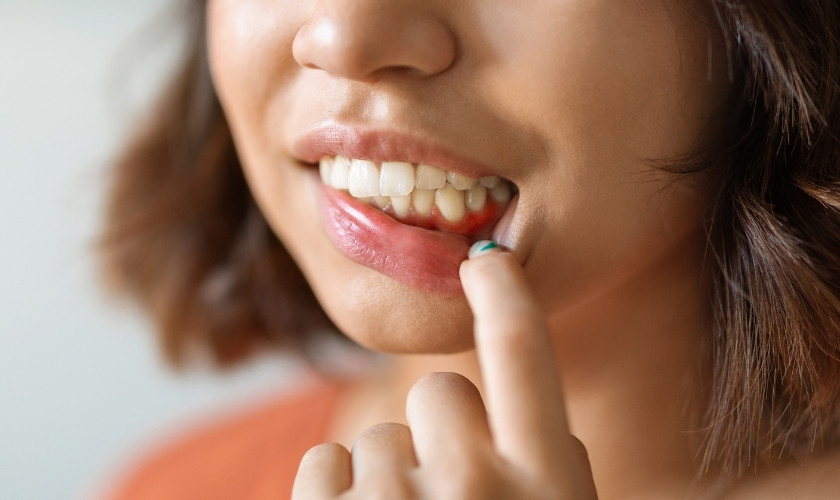
What Causes Bad Breath? Uncovering the Hidden Culprits in Fort Walton Beach


Bad breath, or halitosis, affects millions and can strike without warning. That lingering odor might seem like a minor annoyance, but it often signals deeper oral health issues. At Coastal Periodontics in Fort Walton Beach, FL, we see patients daily who are surprised to learn their breath issues stem from treatable causes. Understanding these triggers empowers you to take control – starting with this guide.
Whether you’re enjoying a beach day along Fort Walton Beach or grabbing fresh seafood at a local spot, no one wants bad breath cramping their style. Let’s dive into the most common causes, backed by dental science, and explore how to freshen up for good.
Food and Drink: The Obvious Offenders
Certain foods are notorious for causing bad breath because their compounds linger in your mouth and bloodstream. Garlic and onions top the list – their sulfur-containing compounds (like allyl methyl sulfide) travel through your lungs, making the smell persistent for hours.
Spicy foods, coffee, and alcohol also contribute by drying out your mouth, reducing saliva’s natural cleansing power. Saliva washes away bacteria and food particles, so when it’s scarce, odors build up.
In Fort Walton Beach’s humid climate, staying hydrated is key. Opt for water over sugary drinks, which feed odor-causing bacteria. A quick fix? Chew parsley or mint leaves post-meal – they neutralize sulfurs naturally.
Poor Oral Hygiene: Bacteria Buildup at Its Core
Neglecting your oral routine lets bacteria thrive in plaque and tartar. Anaerobic bacteria in the mouth break down proteins into volatile sulfur compounds (VSCs), creating that foul smell. Brushing twice daily and flossing removes these culprits, but skipping spots – like the tongue – leaves trouble behind.
Your tongue harbors up to 70% of mouth bacteria. Use a tongue scraper or brush gently to banish the buildup. At Coastal Periodontics, we recommend electric toothbrushes for Fort Walton Beach patients to reach every crevice efficiently.
Dry mouth (xerostomia) worsens this. Medications, breathing through your mouth (common in Florida’s warmth), or dehydration reduce saliva flow, letting bacteria party unchecked.
Gum Disease: A Silent Breath Killer
Periodontal disease, our specialty at Coastal Periodontics, is a leading cause of bad breath. Gingivitis starts with inflamed gums from plaque; left untreated, it advances to periodontitis, forming deep pockets where bacteria fester.
These pockets trap food and produce pus-like discharge, smelling rotten. Studies from the American Dental Association show up to 50% of adults over 30 have some gum disease – often undiagnosed until bad breath prompts a visit.
Fort Walton Beach locals, with our sandy beaches and active lifestyles, might overlook subtle signs like bleeding gums. Early intervention with professional cleanings prevents escalation.
Ready to check our reviews? Patients rave about our gum treatments that restore fresh breath and confidence.
Medical and Lifestyle Factors You Might Overlook
Beyond the mouth, systemic issues play a role. Acid reflux (GERD) pushes stomach acids up, carrying odors. Sinus infections or post-nasal drip in Florida’s allergy season let mucus harbor bacteria.
Diabetes causes fruity breath from high ketones; liver or kidney problems yield ammonia-like smells. Smoking or tobacco use dries the mouth and stains teeth, amplifying bacteria.
Diet plays in too – ketogenic or low-carb diets produce acetone breath. Crash diets? Starvation ketosis mimics this.
When to Seek Professional Help in Fort Walton Beach
If home remedies fail after two weeks, it’s time for an expert. Persistent bad breath could signal infections, abscesses, or even oral cancer. At Coastal Periodontics, our Fort Walton Beach team uses advanced diagnostics like periodontal probing and breath analysis to pinpoint causes.
Don’t ignore it – untreated issues lead to tooth loss or worse. Visit our dental office for a thorough exam; we’re here to help you breathe easy.
Book an appointment today and reclaim your fresh breath.
Prevention Tips for Lasting Freshness
Fight back daily:
- Brush for two minutes, floss, and scrape your tongue.
- Stay hydrated; chew sugar-free gum to boost saliva.
- Eat crunchy fruits like apples to scrub naturally.
- Quit smoking and limit odor-heavy foods.
- Schedule bi-annual cleanings – essential in our coastal area.
These habits slash bad breath risk by 80%, per dental research.
Frequently Asked Questions
1. What foods most commonly cause bad breath?
Garlic, onions, and spicy foods release sulfur compounds that linger in the breath via the lungs. Coffee and alcohol dry the mouth, reducing saliva that fights bacteria.
2. How does poor oral hygiene lead to halitosis?
Bacteria in plaque and tartar produce smelly sulfur gases. Without brushing, flossing, or tongue cleaning, these build up, creating persistent odors. Dry mouth from poor habits worsens it.
3. Can gum disease cause chronic bad breath?
Yes, gingivitis and periodontitis create pockets where bacteria thrive, producing foul odors and pus. Early plaque control prevents this progression to severe halitosis.
4. Why does dry mouth contribute to bad breath?
Saliva naturally cleanses bacteria and food debris. When mouth breathing, medications, or dehydration reduce it, anaerobic bacteria multiply, releasing volatile sulfur compounds.
5. Do medical conditions like diabetes affect breath?
Diabetes can cause fruity ketone breath from poor blood sugar control. Acid reflux, sinus issues, or liver/kidney problems also produce distinct odors from internal imbalances.
6. Is smoking a major factor in bad breath?
Smoking dries the mouth, increases bacteria, and leaves chemical residues. It also stains teeth, trapping more debris and worsening overall oral odor long-term.
7. How does diet impact bad breath beyond food odors?
Low-carb or fasting diets trigger ketone production, causing acetone-like smells. Sugary foods feed bacteria, while protein-heavy meals fuel sulfur gas from bacterial breakdown.