
Tooth Extraction Anxiety: What to Expect and How to Heal Faster

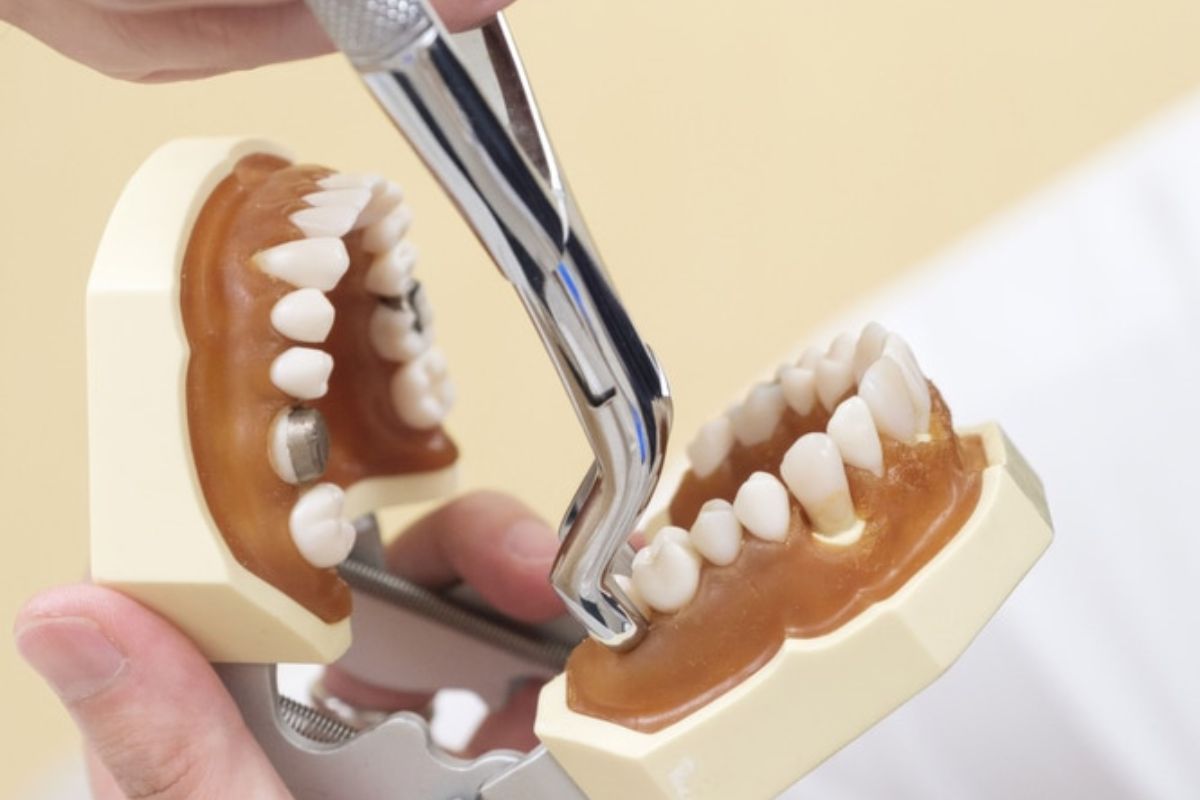
Let’s be real—nobody wants a tooth pulled. The very thought of tooth extraction can send a wave of anxiety through even the calmest patient. But here’s the good news: with modern techniques, local anesthesia, and the right care, getting a tooth removed isn’t as scary as it once was—and healing can be smooth if you follow a few simple steps.
Whether you’re dealing with a severely decayed tooth, wisdom teeth issues, or prepping for braces, knowing what to expect during and after a tooth extraction can take a lot of the stress out of the process.
Why You Might Need a Tooth Extraction
Tooth extractions are more common than you might think. According to the American Dental Association, millions of extractions happen every year across the U.S. (source). Dentists recommend removing a tooth when it’s beyond repair—whether that’s due to trauma, infection, or overcrowding. Some of the most common reasons include:
- Severe tooth decay or infection
- Advanced gum disease
- Impacted wisdom teeth
- Orthodontic prep (making room for alignment)
- Broken teeth that can’t be fixed with a crown or filling
Whatever the reason, understanding the process and your recovery timeline can ease your nerves.
What to Expect During the Procedure
Tooth extraction is typically an in-office procedure and often takes less than 30 minutes. Your dentist will numb the area with local anesthesia so you won’t feel pain—just a bit of pressure. If the tooth is impacted (like many wisdom teeth are), your dentist may make a small incision to remove it in pieces.
Worried about discomfort? You’re not alone. In fact, dental anxiety affects about 36% of the population, with 12% experiencing extreme fear. But rest assured, the tools and techniques used today are designed with your comfort in mind.
If you’re especially nervous, ask your dentist about sedation options like nitrous oxide (laughing gas) or oral sedatives. These can help you stay relaxed and calm throughout the procedure.
Healing Faster: Your 5-Step Recovery Plan
While extractions are relatively straightforward, recovery plays a huge role in how quickly you bounce back. Here’s how to make sure you heal faster and avoid complications like dry socket:
1. Keep It Clean, But Gentle
Don’t rinse or spit forcefully for the first 24 hours—it can disturb the blood clot. After that, gently rinse with warm saltwater to keep the area clean and reduce inflammation.
2. Follow the Ice Rule
Swelling usually peaks around day two or three. Applying an ice pack to the outside of your face (20 minutes on, 20 minutes off) during the first 24 hours can reduce swelling and numb discomfort.
3. Skip the Straws and Cigarettes
Suction can dislodge the clot that’s forming in the socket, leading to a painful condition called dry socket. It’s best to avoid straws, smoking, and anything that creates suction for at least 3 days.
4. Soft Food is Your Friend
Stick with easy-to-chew foods like mashed potatoes, applesauce, smoothies (no straw!), and yogurt for a few days. Avoid crunchy, spicy, or hot foods until your mouth feels better.
5. Rest, Hydrate, and Medicate
Take it easy for the first 24–48 hours. Stay hydrated, and if your dentist prescribed medication or recommended over-the-counter pain relievers, stay on schedule.
When to Call Your Dentist
Most people heal without any issues. But if you notice these signs, call your dentist ASAP:
- Persistent bleeding beyond 24 hours
- Swelling that worsens after day three
- Fever or chills
- Pus or foul odor from the extraction site
- Severe, throbbing pain
Better to check in and be safe than sorry.
It’s Okay to Be Nervous
Dental anxiety is real and valid. If you’re feeling anxious about an upcoming extraction, talk to your dentist openly. They’re there to help—not judge. Some practices even offer music, stress balls, or TVs in the ceiling to help distract and relax you during treatment.
Bonus tip: bringing a friend or family member for support can ease those pre-extraction nerves too.
Bottom line: Tooth extraction doesn’t have to be traumatic. With the right preparation, a great dentist, and a little post-care TLC, you’ll be back to normal in no time. And hey—once it’s out, the real healing can begin.
Call us & Schedule an Appointment today and talk with your local dentist about how to make your extraction experience stress-free and successful.