How to Know if Your Jaw is Experiencing Bone Loss


Your jawbone plays a crucial role in supporting your teeth, maintaining facial structure, and enabling essential functions like speaking and chewing. When bone loss occurs in the jaw, it can lead to various complications, including tooth instability, changes in facial appearance, and difficulties with oral functions. Understanding the signs and causes of jawbone loss is vital for early detection and effective treatment.
Jawbone loss, also known as alveolar bone loss, refers to the gradual deterioration of the bone tissue in the jaw. This condition often results from the absence of teeth, gum disease, or other oral health issues. Without the stimulation provided by tooth roots during chewing, the bone may begin to resorb, leading to a decrease in bone density and volume.
Common Signs of Jawbone Loss
Loose or Shifting Teeth
One of the earliest indicators of jawbone loss is the loosening or shifting of teeth. As the bone deteriorates, it can no longer provide adequate support for the teeth, causing them to become unstable.
Changes in Facial Appearance
Bone loss in the jaw can lead to visible changes in facial structure, such as a sunken or collapsed appearance, especially around the mouth and chin area. This occurs due to the reduction in bone volume and the loss of support for facial muscles.
Difficulty Chewing or Speaking
As the jawbone weakens, individuals may experience challenges with chewing food or speaking clearly. This is often due to the instability of teeth and changes in the alignment of the bite.
Gum Recession
Receding gums can expose more of the tooth surface and even the tooth root. This condition may be a sign of underlying bone loss, as the gums and bone are closely connected.
Visible Bone Loss on X-rays
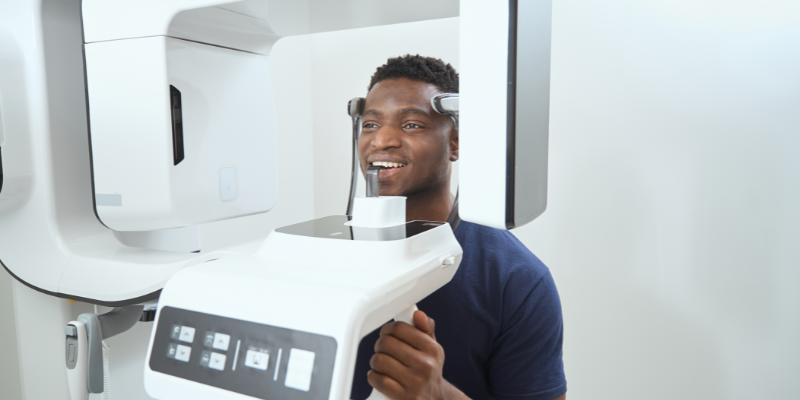
Dental X-rays can reveal the extent of bone loss in the jaw. A decrease in bone height or density is a clear indication of jawbone deterioration.
Causes of Jawbone Loss
Tooth Loss: When teeth are lost and not replaced, the jawbone no longer receives the stimulation needed to maintain its density, leading to resorption.
Periodontal Disease: Gum infections can damage the tissues and bone supporting the teeth, resulting in bone loss.
Trauma or Injury: Accidents or injuries that affect the jaw can lead to bone fractures and subsequent loss.
Infections: Untreated infections in the mouth can spread to the bone, causing deterioration.
Age: As individuals age, bone density naturally decreases, which can contribute to jawbone loss.
At this stage, patients often seek dental bone loss treatment in Fort Walton Beach, FL to address the condition effectively. Early intervention can preserve the jaw’s structure, prevent tooth loss, and improve oral health outcomes.
Treatment Options for Jawbone Loss
If you suspect you are experiencing jawbone loss, it’s essential to consult with a dental professional. They may recommend the following treatments:
Bone Grafting: A surgical procedure that involves adding bone material to the jaw to restore lost bone and provide a stable foundation for dental implants.
Dental Implants: Artificial tooth roots placed into the jawbone to support replacement teeth, helping to stimulate bone growth and prevent further loss.
Socket Preservation: A technique used after tooth extraction to prevent bone loss by preserving the socket’s shape and volume.
Periodontal Therapy: Treatment to manage gum disease and prevent further damage to the bone and supporting structures.
Why Seek Professional Help?
Early detection and treatment of jawbone loss are crucial to prevent further complications, such as tooth loss and changes in facial appearance. Professional evaluation and intervention can help restore oral health and function.
Jawbone loss is a serious condition that can affect your oral health and overall well-being. Recognizing the signs and seeking timely treatment can help preserve your smile and prevent further deterioration. If you’re experiencing symptoms of jawbone loss, consult with a dental professional to explore appropriate treatment options.
If you’re experiencing jawbone loss or tooth instability, it’s crucial to consult with a skilled periodontist who can provide tailored solutions. Coastal Periodontics in Fort Walton Beach specializes in advanced treatments to address bone loss and prevent further dental complications.
Our dental team offers comprehensive evaluations to assess the extent of bone loss and develop personalized treatment plans. Utilizing state-of-the-art techniques such as bone grafting and guided tissue regeneration, they aim to restore the structural integrity of your jawbone. These procedures not only enhance the foundation for dental implants but also improve overall oral health and facial aesthetics.