Does Bone Grafting Hurt? Understanding Pain, Recovery, and What to Expect

Bone grafting is a common dental procedure used to rebuild areas where the jawbone has lost volume or strength. It may be recommended after tooth loss, advanced gum disease, trauma, or before certain dental implant procedures. One of the most common questions patients have is, “Does bone grafting hurt?” The good news is that the procedure itself is generally performed with local anesthesia, so you should not feel sharp pain during treatment.
Understanding what happens during and after a bone graft can help you feel more prepared and comfortable.
What Happens During a Bone Graft?
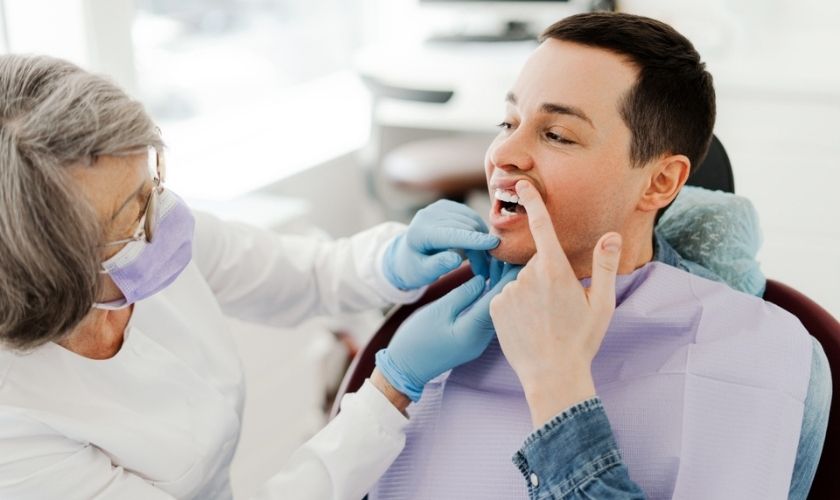
Before the procedure begins, the dentist or periodontist numbs the treatment area with local anesthesia. This prevents you from feeling pain while the graft is placed. You may notice pressure, movement, or vibration during the procedure, but these sensations are different from pain.
The dental professional makes a small opening in the gum tissue to access the area where additional bone is needed. Grafting material is then carefully placed in the affected area and secured as needed. The gum tissue is closed with sutures to allow the site to heal.
The length of the procedure depends on the size and location of the graft, the amount of bone needed, and the type of graft material being used.
Is There Pain After Bone Grafting?
Some soreness is normal once the anesthesia wears off. Patients may experience mild to moderate discomfort, tenderness, swelling, or bruising around the treatment area. These symptoms are usually most noticeable during the first few days and gradually improve as healing progresses.
Your dental professional may recommend over-the-counter or prescribed pain medication depending on your individual situation. Taking medication exactly as directed can help manage discomfort during the early recovery period.
Keeping your head slightly elevated while resting and using a cold compress during the first day may also help reduce swelling. Following your post-treatment instructions is important for protecting the graft and supporting proper healing.
How Long Does Bone Grafting Pain Last?
The duration of discomfort varies from person to person. Many patients notice that soreness begins to decrease within several days. Mild tenderness can sometimes remain for a little longer as the gum tissue continues to heal.
The bone itself takes much longer to integrate and mature than the soft tissue. Depending on the procedure and the individual’s healing process, several months may be needed before the graft is fully ready for the next stage of treatment.
Good oral hygiene is also important during recovery, although you may need to modify how you clean around the surgical area. Avoiding pressure on the graft site can help protect the healing tissues.
What Can Make Bone Grafting More Comfortable?
There are several ways to support a smoother recovery. Follow all instructions provided after treatment, take recommended medications as directed, and choose softer foods while the area is healing. Avoid smoking or using tobacco products, as these can interfere with healing.
You may also need to avoid strenuous physical activity for a short period after surgery. Your provider can explain when it is appropriate to return to your normal routine.
Bone grafting can play an important role in treating weakened jawbone structure. For patients experiencing bone loss, treatment may help create a stronger foundation for future dental care.
When Should You Contact Your Dental Provider?
Some discomfort, swelling, and minor bleeding can be expected after bone grafting. However, symptoms that become increasingly severe or do not improve as expected should be evaluated.
Contact us if you experience significant pain that is not controlled by recommended medication, persistent or heavy bleeding, worsening swelling, fever, or other unusual symptoms. These may indicate a complication that requires professional evaluation.
Before undergoing treatment, your provider can also explain the expected recovery process and answer questions about anesthesia, pain management, diet, and activity restrictions. Knowing what to expect can make the experience less stressful.
At Coastal Periodontics, patients can discuss their concerns and learn more about what bone grafting involves before treatment. If you have been advised that your jawbone needs additional support, visit our dental clinic to discuss your treatment options and expected recovery.
Frequently Asked Questions
- Does bone grafting hurt during the procedure?
Local anesthesia is normally used to numb the treatment area, so patients should not feel sharp pain during the procedure. Pressure, movement, or vibration may be noticeable while the graft is placed.
- How painful is bone grafting after surgery?
Mild to moderate soreness, swelling, or tenderness can occur after the anesthesia wears off. Discomfort is generally strongest during the first few days and gradually improves during recovery.
- How long does swelling last after a bone graft?
Swelling commonly develops during the first couple of days and then begins to decrease. The exact duration varies depending on the size of the graft, treatment location, and individual healing response.
- What can I eat after bone grafting?
Soft foods that require little chewing are generally easier during early recovery. Foods should not be excessively hot, hard, crunchy, or likely to disturb the surgical area while it heals.
- Can I brush my teeth after a bone graft?
Oral hygiene remains important, but the surgical site may need special care. Your dental professional will explain where and how to brush and whether any areas should temporarily be avoided.
- How long does a dental bone graft take to heal?
Soft tissues often heal within weeks, while the grafted bone takes considerably longer to mature. The timeline varies based on the graft type, treatment area, and individual healing process.
- What happens if bone grafting is needed before an implant?
A graft may help rebuild insufficient bone so there is adequate support for an implant. After healing and evaluation, the dental professional can determine whether the site is ready for implant placement.