
Bone Grafting
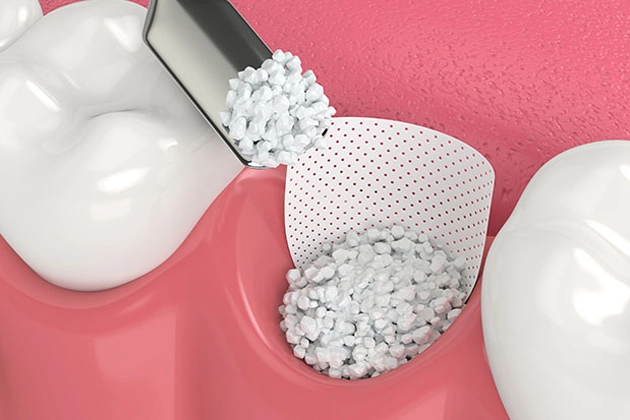
Bone Grafting in Fort Walton Beach, FL
Bone grafting is commonly employed to support dental restorations. For an implant to be successful, the jawbone must have sufficient height, depth, and width. If the jawbone has receded or been damaged, the implant may not be stable or secure. To address this issue, our skilled dentists use bone grafting techniques to create a solid foundation for successful implants and restorations.
The main causes of a damaged jawbone are as follows:
- Tooth Extraction – In some instances a patient will have a tooth removed but not a replacement put in its place. This can lead to a number of negative things like shifting teeth and jawbone recession. This bone loss is called bone defect.
- Injury – If a patient suffers a blow to the jaw or a physical injury, the trauma can lead to jaw bone recession.
- Infection – In some situations when a patient has a lingering mouth infection the jawbone may begin to recede.
- Periodontal Disease – This disease affects the jaw bone over time. The infected areas may worsen progressively if not treated promptly causing the teeth to loosen from the bone and become unstable.
Why Consider Bone Grafting in Fort Walton Beach?
Our expert dentists are highly skilled in bone grafting and boast an excellent success rate. This procedure can mitigate the negative effects of diseased teeth or deformities, helping patients avoid tooth loss. Bone grafting enhances the jawbone's height and width, effectively repairing any voids or defects.
Here are two key ways bone grafting enhances dental health:
1. Stabilizes the Jaw: A solid foundation is crucial for restorative or implant surgery. Our dentists reshape the jawbone to provide optimal support for securing teeth to the jaw.
2. Preserves Teeth and Jaw Health: Bone grafting can prevent further damage to teeth and the jaw following disease, infection, tooth extraction, or other procedures.
The Process of Bone Grafting
The process begins with a thorough oral examination, where the dentist assesses the affected area of the mouth. This evaluation helps determine the overall condition of the teeth and gums before recommending a solution. If periodontal disease is detected or if the teeth surrounding a missing tooth are in poor condition, those issues will be addressed first. Additionally, panoramic x-rays are taken to measure the existing bone's depth and width accurately. If necessary, a CAT scan may be performed to provide a clearer view of the jawbone's condition. Once all results are reviewed, the dentist may numb the area to explore the gums, determining the type and amount of bone needed for the graft.
What Does Bone Grafting Involve?
Bone grafting involves several types, and the dentist will determine the most suitable option for your specific condition.
Autogenous Bone Graft: This type is harvested from the patient's own body, typically from the posterior part of the lower jaw or the chin. It is often preferred due to its reliable results.
Allograft Bone Graft: This method uses bone from a cadaver or synthetic materials.
Xenograft: This type utilizes bone sourced from cows.
The bone grafting procedure can take several months to complete. Bone is usually harvested from the patient’s own body, though it may occasionally be sourced from a “bone bank.” Once added to the affected area, this bone fuses with the existing bone, allowing for cell migration that promotes firm adhesion and growth. By supplementing the jaw with additional bone, the procedure increases bone mass, providing better support and stability for the implant(s).
What to Expect During Bone Grafting Surgery
During the surgery, the dentist will numb the grafting and extraction sites using a local anesthetic. A small incision is made to prepare the area for the new bone, which is then anchored in place. In some cases, a synthetic membrane may be used to cover the new bone; this helps prevent soft tissue and bacterial invasion while promoting new bone growth.
The procedure does not require an overnight stay, and you'll receive detailed instructions for your post-operative care. The dentist will also prescribe medications to manage infection, discomfort, and swelling.
If it’s time for a dental exam, feel free to reach out so we can help you achieve a healthier jawbone.
New Patients Appointments Welcome!