
What Causes Sudden Swelling Around a Tooth? Common Reasons

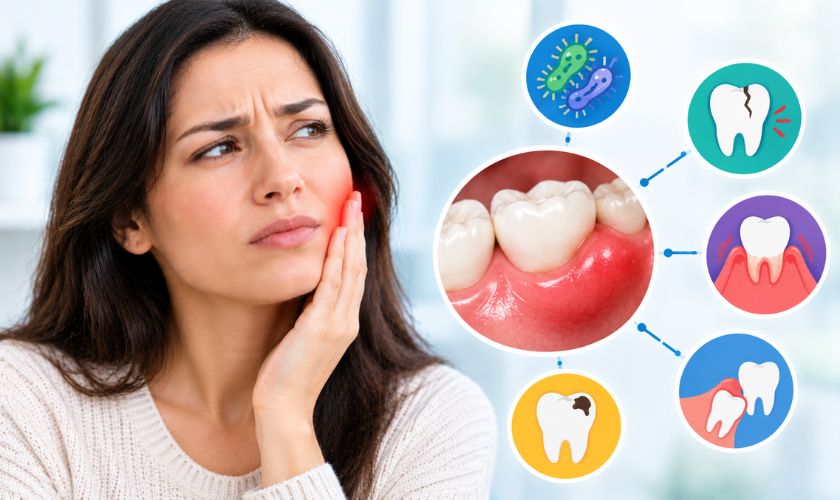
Sudden swelling around a tooth can be uncomfortable and concerning, especially when it develops without warning. You might notice redness in your gums, tenderness while chewing, pressure around a particular tooth, or a small bump near the gumline. These symptoms can develop for several reasons, ranging from trapped food particles and gum irritation to a dental abscess or an advanced gum infection.
Understanding what causes tooth swelling can help you recognize when professional dental care is necessary. Although some irritation may improve with gentle oral hygiene, swelling caused by an infection usually requires treatment rather than home remedies alone. For residents of Fort Walton Beach, recognizing the warning signs early can help prevent a minor dental concern from becoming a more serious problem.
1. Dental Abscess or Bacterial Infection
A dental abscess is one of the most common causes of sudden swelling around a tooth. It develops when bacteria enter the tooth or surrounding tissues, leading to a collection of pus. This can occur because of untreated cavities, cracks, dental injuries, or infections that reach the inner pulp of a tooth.
An abscess may cause intense, throbbing pain, swollen gums, sensitivity to hot or cold foods, a bad taste in the mouth, or persistent bad breath. Some people also experience fever or swelling that spreads into the cheek or jaw.
A dental abscess will not reliably resolve on its own. Professional treatment may involve draining the infection, performing root canal therapy, or removing the affected tooth when necessary. Antibiotics may be appropriate in certain cases, but they do not replace treatment of the underlying dental problem.
Seek urgent dental care if you suspect an abscess. If swelling affects your breathing or swallowing, or spreads rapidly into your neck or around your eye, seek emergency medical attention immediately.
2. Gum Disease and Periodontal Infections
Gum disease develops when plaque and bacteria accumulate along the gumline. In its early stage, known as gingivitis, the gums may appear red, swollen, or tender and may bleed during brushing or flossing.
When gum disease progresses, the infection can damage the tissues and bone supporting the teeth. In some cases, periodontal pockets develop around the teeth, allowing bacteria to accumulate below the gumline. A periodontal abscess can form when infection becomes trapped in these pockets, causing localized swelling and discomfort.
People with periodontal infections may notice persistent bad breath, gum recession, loose teeth, or pus around the affected area. However, gum disease can progress with little pain, making regular dental examinations important.
Professional periodontal treatment can help control bacterial buildup and address infection beneath the gumline. Maintaining consistent brushing, daily flossing, and recommended dental cleanings can also reduce the risk of recurring gum problems.
3. Food Particles Trapped Between Teeth
Sometimes, swelling around a tooth develops because food becomes trapped between the teeth or beneath the gumline. Popcorn husks, meat fibers, seeds, and other small food particles can irritate delicate gum tissue.
The affected area may feel sore, appear slightly swollen, or bleed when you brush or floss. Discomfort often becomes noticeable after eating and may improve once the trapped material is removed.
To address this problem, gently floss around the affected teeth to dislodge food particles. Avoid using sharp objects, toothpicks aggressively, or other tools that could injure the gums.
If swelling persists after the area has been cleaned, or if pain becomes more intense, a dental examination is advisable. Food impaction can sometimes indicate an underlying issue, such as a damaged filling, a cavity, or an abnormal space between teeth.
4. Tooth Decay or a Cracked Tooth
Tooth decay and cracks can create openings through which bacteria reach the sensitive inner structures of a tooth. If the pulp becomes inflamed or infected, swelling may develop around the tooth’s root.
A damaged tooth may cause sharp pain when biting, lingering sensitivity to temperature, or discomfort that comes and goes. In some cases, the first noticeable sign is swelling in the surrounding gum tissue rather than tooth pain itself.
Decay may require a filling, crown, or root canal treatment, depending on its severity. A cracked tooth also needs prompt evaluation because the damage can worsen with continued chewing.
Avoid chewing hard foods on the affected side until a dentist examines the tooth. Early treatment may help preserve the natural tooth and prevent infection from spreading into nearby tissues.
5. Wisdom Tooth Eruption or Impaction
Wisdom teeth can cause swelling when they begin to emerge through the gums, particularly if there is insufficient room for them to grow properly. When a wisdom tooth remains partially covered by gum tissue, food debris and bacteria can collect underneath the flap.
This condition, called pericoronitis, may cause pain, redness, swelling near the back of the mouth, and difficulty opening the jaw. Some people also experience an unpleasant taste or discomfort when swallowing.
Gently cleaning the area may help reduce debris, but persistent inflammation requires professional assessment. Depending on the tooth’s position and the severity of the problem, treatment may include cleaning around the tooth, managing the infection, or removing the wisdom tooth.
Do not ignore swelling near the back molars, especially if it is accompanied by fever, worsening pain, or difficulty opening your mouth.
6. Gum Injury or Irritation
Physical irritation can also cause localized swelling around a tooth. Brushing too forcefully, aggressive flossing, biting hard foods, or accidentally injuring the gums can damage the soft tissues.
Ill-fitting dental appliances, sharp edges on a damaged tooth, or recently performed dental procedures may also contribute to temporary inflammation.
Mild irritation often improves when the source of injury is removed and the area is kept clean. Use a soft-bristled toothbrush and avoid repeatedly touching or pressing the swollen gum.
However, swelling that increases, develops pus, or remains for more than a few days should not automatically be attributed to minor irritation. An examination can determine whether an infection or another dental condition is responsible.
7. When Should You Seek Dental Care?
The urgency of treatment depends on the cause, severity, and associated symptoms. Sudden swelling around a tooth deserves attention because infections can sometimes progress even when the initial discomfort seems manageable.
Arrange a prompt dental examination if you experience persistent swelling, tooth pain, bleeding gums, pus, pain while chewing, or a recurring bump near a tooth. A dentist can examine the affected tissues and use dental X-rays when needed to identify the underlying problem.
Seek emergency medical care if you develop difficulty breathing or swallowing, rapidly spreading facial or neck swelling, or significant swelling around the eye. Fever, facial swelling, and worsening pain alongside a suspected dental infection also warrant urgent assessment.
For people in Fort Walton Beach, timely professional care can help identify the source of swelling and determine the most appropriate treatment. Coastal Periodontics can be a resource for understanding periodontal concerns and the importance of addressing gum-related symptoms.
While waiting for an appointment, rinse gently with warm salt water if you can do so comfortably, maintain careful oral hygiene, and avoid placing aspirin directly on the gums. Do not attempt to pop a swollen area or drain an abscess yourself. These measures may provide temporary comfort but cannot eliminate an underlying infection.
8. How to Help Prevent Swelling Around a Tooth
Although not every cause of tooth swelling is preventable, consistent oral care can reduce your risk of many dental problems.
- Brush twice daily: Use fluoride toothpaste and a soft-bristled toothbrush to remove plaque without irritating the gums.
- Floss every day: Clean between your teeth to remove food debris and plaque that brushing may miss.
- Schedule regular dental visits: Routine examinations and professional cleanings can help identify cavities and gum disease before symptoms become severe.
- Address dental problems early: Do not delay treatment for a cracked tooth, persistent sensitivity, bleeding gums, or recurring discomfort.
- Avoid tobacco products: Tobacco use can increase the risk of gum disease and interfere with healing.
- Choose tooth-friendly foods: Limit frequent sugary snacks and drinks, and maintain a balanced diet that supports oral health.
These habits support healthier teeth and gums, but they do not replace professional treatment when swelling develops.
If you notice sudden swelling around a tooth, contact us to learn about the appropriate next steps for your dental concerns. Prompt evaluation can help determine whether the problem involves the tooth, gums, or surrounding tissues and whether treatment is needed to prevent complications.
If you are experiencing recurring gum inflammation or discomfort, arrange an examination and visit our dental office for an assessment tailored to your symptoms. Acting early can help protect your oral health and reduce the risk of more extensive dental problems.
Frequently Asked Questions
- Why does my gum suddenly swell around one tooth?
Sudden swelling around one tooth may result from a dental abscess, gum infection, trapped food, tooth decay, or an injury. Persistent swelling or worsening pain should be evaluated promptly.
- Can a swollen gum around a tooth go away on its own?
Mild irritation may improve after removing trapped food and maintaining gentle oral hygiene. However, swelling caused by an abscess or deeper infection usually needs professional treatment and should not be ignored.
- Does swelling around a tooth always mean an infection?
No. Swelling can develop from food impaction, brushing injuries, or irritation from dental appliances. However, infection is an important possibility, particularly when swelling occurs with pain, pus, fever, or a bad taste.
- How can I reduce swelling around a tooth at home?
Gently rinse with warm salt water, brush carefully, and floss to remove trapped food. Avoid squeezing the swollen area or placing aspirin on your gums. These measures provide temporary relief but cannot cure an infection.
- Can a tooth abscess cause facial swelling?
Yes. A dental abscess can spread into nearby tissues and cause swelling in the cheek, jaw, or face. Rapidly spreading swelling or difficulty breathing or swallowing requires immediate emergency medical attention.
- When should I worry about sudden tooth swelling?
Seek prompt dental care for persistent swelling, pus, worsening pain, or pain when chewing. Fever or facial swelling alongside a suspected infection requires urgent assessment, while breathing or swallowing difficulties are emergencies.
- Can gum disease cause swelling around just one tooth?
Yes. Gum disease can affect the tissues surrounding an individual tooth, and a periodontal abscess may cause localized swelling. Bleeding, tenderness, pus, or a deep gum pocket may indicate a problem requiring treatment.