
String Floss or Water Flossing: Which is Better?

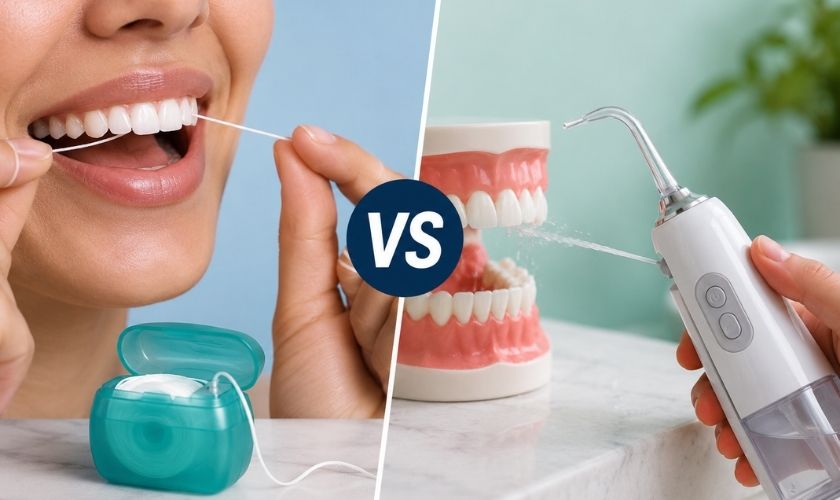
Maintaining healthy teeth and gums requires more than brushing twice a day. Cleaning between the teeth helps remove plaque and food particles from areas a toothbrush cannot easily reach. Two popular options are traditional string floss and water flossers. But which one is better for maintaining oral health in Fort Walton Beach?
The answer depends on your individual needs, dental health, and how consistently you use your chosen method.
String Floss: A Traditional and Effective Choice
String floss uses a thin strand of material to physically clean between teeth and along the gumline. When used correctly, it can remove plaque and debris from tight spaces that brushing alone may miss.
One of its biggest advantages is precision. You can gently curve the floss around each tooth and move it beneath the gumline to clean areas where plaque commonly accumulates. It is also inexpensive, portable, and does not require batteries, electricity, or water.
However, some people find traditional floss difficult to use. Patients with braces, dental bridges, limited hand dexterity, or very tight spaces between their teeth may struggle to clean effectively with string floss.
Water Flossing: A Convenient Alternative
Water flossers use a controlled stream of water to clean between teeth and around the gumline. The water pressure can help flush away food particles and reduce plaque buildup in hard-to-reach areas.
Water flossing may be particularly convenient for people with orthodontic appliances, dental implants, bridges, or other dental work. It can also be easier to handle for individuals who have difficulty manipulating traditional floss.
For people with sensitive gums, using an appropriate pressure setting can make water flossing more comfortable than traditional flossing. It is important to follow the manufacturer’s instructions and avoid using excessive pressure.
Which One Should You Choose?
There is no universal winner between string floss and water flossing. The best option is the one that allows you to clean between your teeth consistently and correctly.
Traditional floss provides excellent physical contact with tooth surfaces, while water flossers offer convenience and can make interdental cleaning easier for certain patients. Some people may even benefit from using both methods as part of their daily oral hygiene routine.
If your gums frequently bleed, feel swollen, or remain tender despite regular cleaning, it may be worth discussing your routine with a dental professional. Persistent gum symptoms can sometimes indicate an underlying periodontal concern.
Tips for Better Interdental Cleaning
Whichever method you choose, consistency matters. Clean between your teeth at least once each day, and take your time rather than rushing through the process.
With string floss, use gentle movements and avoid snapping the floss against your gums. With a water flosser, start with a comfortable pressure setting and direct the stream along the gumline and between the teeth.
Regular professional care also plays an important role in maintaining healthy gums. Patients in Fort Walton Beach can check our patient reviews to learn more about the experiences of others seeking periodontal care.
Frequently Asked Questions
- Is water flossing as effective as string floss?
Both can help clean between teeth and along the gumline. Effectiveness depends on proper technique and consistent use. Your dental needs may determine which method works best.
- Can water flossing replace traditional floss?
For some people, a water flosser can be a practical alternative to string floss. However, your dentist may recommend one method or both depending on your oral health and dental work.
- Is string floss better for removing plaque?
String floss can physically wipe plaque from tooth surfaces and tight spaces. When used correctly every day, it can be an effective way to support healthy teeth and gums.
- Is water flossing good for sensitive gums?
Water flossing may feel comfortable for people with sensitive gums, especially when using a gentle pressure setting. Avoid excessive pressure and follow the device’s instructions.
- How often should I floss my teeth?
Interdental cleaning is generally recommended once each day. Whether you choose string floss or a water flosser, regular daily cleaning helps reduce plaque and food debris between teeth.
- Can water flossers clean around dental implants?
Water flossers can be useful for cleaning around dental implants and other dental restorations. Your dental professional can recommend appropriate techniques and pressure settings for your situation.
- What if my gums bleed when I floss?
Occasional bleeding can occur when gums are inflamed or when flossing begins after inconsistent cleaning. Persistent or heavy bleeding should be evaluated by a dental professional.