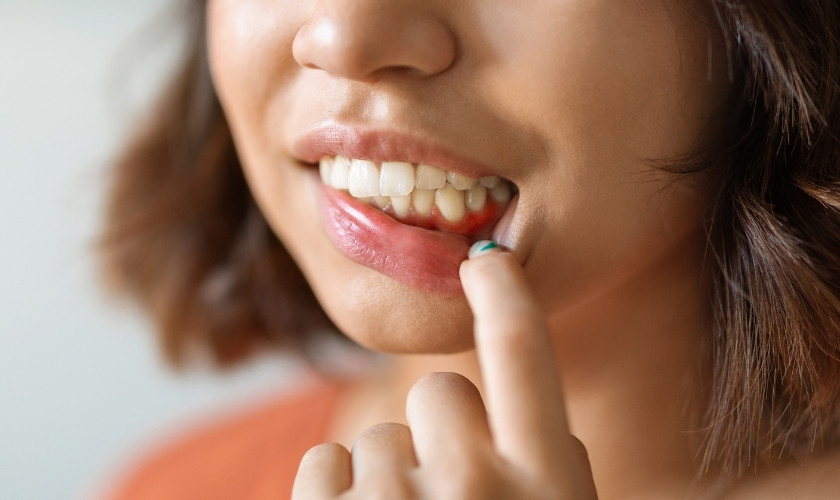
Tips for Faster Gum Healing Around Your Implant


Dental implants are one of the most reliable ways to restore your smile after tooth loss. While the implant itself is designed to be durable and long-lasting, healthy gum healing plays a major role in the success of the procedure. If your gums heal properly, the implant has a stronger foundation and a lower risk of complications.
At Coastal Periodontics, many patients in Fort Walton Beach want to know how they can speed up recovery and protect their new smile. The good news is that a few simple habits can support healthy healing and reduce discomfort after implant treatment.
Follow Your Post-Procedure Instructions Carefully
One of the best ways to encourage faster healing is to follow every instruction provided after your implant procedure. These guidelines are created specifically to protect the surgical area during the early healing phase.
Your periodontist may recommend:
- Taking medications exactly as directed
- Avoiding strenuous physical activity for several days
- Keeping pressure away from the implant site
- Using a prescribed mouth rinse
- Returning for follow-up visits
Ignoring these instructions may slow healing or increase the risk of infection.
Keep the Area Clean Without Irritating It
Clean gums heal faster. However, aggressive brushing or touching the area too soon can cause irritation.
For the first few days:
- Use a soft-bristle toothbrush
- Brush gently around the implant area
- Avoid vigorous rinsing
- Follow instructions for saltwater rinses or medicated rinses
Bacteria buildup near the implant can interfere with healing, so maintaining gentle oral hygiene is extremely important.
Choose Soft Foods During Recovery
Your gums need time to recover after implant placement. Eating hard, crunchy, or sticky foods can place unnecessary stress on the surgical site.
Good food choices include:
- Yogurt
- Mashed potatoes
- Scrambled eggs
- Smooth soups
- Soft fruits
- Oatmeal
Try to avoid chips, nuts, crusty bread, and spicy foods until your dentist says the area has healed properly.
Stay Hydrated
Water helps your body recover more efficiently. Proper hydration supports circulation and tissue repair while also helping keep your mouth cleaner.
Avoid sugary beverages and alcohol during the early healing phase. Drinking through a straw should also be avoided because the suction may disturb the healing gums.
Avoid Smoking and Tobacco Products
Smoking is one of the biggest causes of delayed healing after dental implant surgery. Tobacco restricts blood flow to the gums, making it harder for tissues to repair themselves.
Smoking also increases the risk of:
- Implant failure
- Infection
- Gum recession
- Bone loss around the implant
Patients who stop smoking during recovery often experience better long-term implant success.
Get Plenty of Rest
Your body heals more effectively when you are rested. During the first few days after implant surgery, try to:
- Sleep with your head elevated
- Avoid intense exercise
- Reduce stress when possible
- Allow your body enough downtime
Overexertion too soon after treatment may increase swelling and discomfort.
Use Ice Packs to Reduce Swelling
Mild swelling is normal after implant placement. Applying an ice pack to the outside of the cheek in short intervals during the first 24 hours may help reduce inflammation.
A simple approach is:
- 15 minutes on
- 15 minutes off
Keeping swelling under control can make recovery more comfortable and support the healing process.
Watch for Signs of Problems
Most implant recoveries go smoothly, but it is important to recognize warning signs early. Contact your dental provider if you notice:
- Persistent bleeding
- Severe swelling
- Fever
- Pus around the implant
- Increasing pain after several days
Quick treatment may prevent larger complications and protect the implant.
Maintain Long-Term Gum Health
Healing does not stop after the first few weeks. Healthy gums are essential for keeping implants stable for years to come.
Long-term implant care includes:
- Professional cleanings
- Daily brushing and flossing
- Routine dental exams
- Managing gum disease early
Patients seeking missing teeth replacement often choose implants because they look and function like natural teeth. Proper gum care helps maintain those benefits over time.
Why Professional Monitoring Matters
Even when healing seems normal, regular follow-up visits are important. Your dental specialist can check how the implant is integrating with the bone and whether the gums are healing correctly.
At Coastal Periodontics, patients receive ongoing support throughout the recovery process. Monitoring healing early may help identify small concerns before they become major problems.
If you are considering implant treatment or are currently recovering from surgery, check our patient reviews to learn about experiences from local patients. For trusted care and guidance from a leading dental practice in Fort Walton Beach, schedule your consultation today and book an appointment.
Frequently Asked Questions
1. How long does gum healing take after a dental implant?
Most gum tissue begins healing within one to two weeks, but complete healing around the implant can take several months, depending on the individual case.
2. Can I brush near my implant after surgery?
Yes, but you should brush gently with a soft-bristled toothbrush. Avoid aggressive cleaning near the surgical site during early healing.
3. What foods should I avoid after implant placement?
Hard, crunchy, sticky, and spicy foods should be avoided during recovery because they may irritate the gums or disturb the implant area.
4. Does smoking affect dental implant healing?
Smoking reduces blood flow to the gums and may slow healing. It also increases the risk of infection and implant complications.
5. Is swelling normal after implant surgery?
Mild swelling is common during the first few days after treatment. Ice packs and rest may help reduce discomfort and inflammation.
6. How do I know if my implant is healing properly?
Healthy healing usually includes mild tenderness that improves daily. Severe pain, pus, fever, or worsening swelling should be evaluated quickly.
7. Why are healthy gums important for implants?
Strong, healthy gums help protect the implant from bacteria and provide support that contributes to long-term implant stability and success.