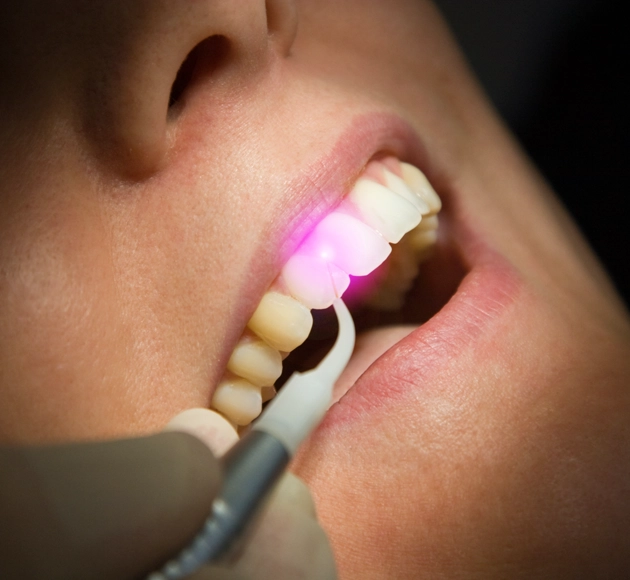
What Not to Do After Scaling and Root Planing


Blog Summary
“In this blog, we explore what not to do after scaling and root planing, why these precautions matter, and how they support scaling and root planing to restore your gum health. We’ll cover common mistakes people make after a deep cleaning, easy-to-follow aftercare tips, and when to reach out for help. Finally, we recommend Coastal Periodontics as a trusted choice for this treatment.”
If you’ve recently had scaling and root planing, congratulations — you’ve taken an important step toward healthier gums and a brighter smile! But did you know that the days and weeks after the procedure are just as important as the treatment itself? How you care for your mouth during recovery can make the difference between fast, smooth healing and prolonged discomfort or complications.
Many patients unknowingly make small mistakes — like eating the wrong foods, brushing too hard, or even skipping follow-up care — that can slow healing or put their gums at risk. This blog will guide you through the essential “what not to do” after scaling and root planing, along with simple, practical tips to protect your gums and make your treatment as effective as possible. Think of this as your go-to guide for giving your gums the best chance to fully recover and thrive.
Why Proper Aftercare Is Crucial
Before we dive in, it helps to understand what scaling and root planing does. According to the American Dental Association (ADA), this deep cleaning removes plaque and tartar from beneath the gum line, smoothing the roots so your gums can reattach and heal. If you don’t care properly for your gums afterward, the pockets under your gums can remain a place for bacteria to grow.
Also, chronic periodontitis (advanced gum disease) affects a large number of U.S. adults — an ADA‑published study found that around 47.2% of U.S. adults over 30 have signs of chronic periodontal disease. That makes good aftercare even more important: you’re not just treating symptoms, you’re preventing further damage.
Ready for a Healthier Smile? Let’s Talk!
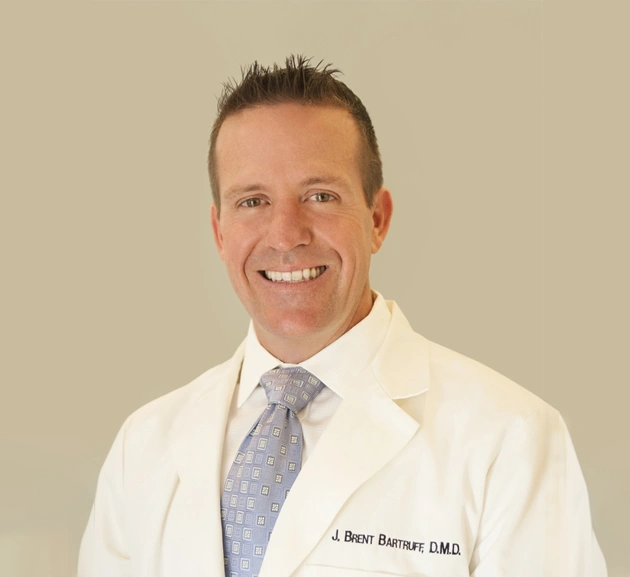
Thank you for reading our guide on what not to do after scaling and root planing. We hope it gives you confidence and clarity as you recover. Under the expert care of Dr. J. Brent Bartruff, a University of Florida DMD and LSU-trained periodontist who has served the Fort Walton Beach community since 2001, Coastal Periodontics is deeply committed to helping your gums heal and your smile thrive.
We make new patient appointments welcoming and straightforward. Ready to give your gums the best chance at recovery? Call us today to schedule a follow-up or ask any questions. Dr. Bartruff and our caring team are here, rooting for your healthiest smile yet.
What Not to Do After Scaling and Root Planing
Drawing on expert advice and patient guides, here are the key things to avoid in order to maximize healing and minimize complications. We’ve added extra details to help you understand why each precaution matters and what to watch for.
Don’t eat while your mouth is still numb
Anesthesia from the procedure can last for a few hours, and during this time, your lips, cheeks, tongue, and gums may have reduced sensation. Eating too soon can cause you to accidentally bite yourself, which may lead to painful cuts, swelling, or even infection. Stick to soft foods only after the numbness wears off, and start slowly. Small, gentle bites are best.
Tip: Try sipping cool water first to test if your mouth has regained sensation before eating.
Avoid hard, crunchy, or sticky foods
Foods like chips, nuts, popcorn, candy, or tough meats can irritate the treated areas or get stuck in gum pockets. This can cause pain, bleeding, or damage to sensitive tissue while it’s healing. Sticky foods are particularly risky because they can pull at gums that are reattaching to teeth.
Tip: Focus on soft, easy-to-chew foods like scrambled eggs, yogurt, smoothies, mashed potatoes, or soups during the first week.
Skip spicy, acidic, or very hot/cold foods temporarily
Spicy foods and acidic ingredients like citrus, tomato sauces, or vinegar can cause a burning or stinging sensation on sensitive gums. Extremely hot or cold foods and beverages can also trigger pain or worsen sensitivity after scaling and root planing.
Tip: Keep drinks lukewarm and season foods mildly to prevent irritation.
Don’t disrupt blood clots or treated areas
After deep cleaning, small blood clots form to protect healing tissues. Touching the area with your fingers, tongue, or toothpicks can dislodge these clots, leading to bleeding, delayed healing, or infection. Even brushing too aggressively can have the same effect.
Tip: Use a soft-bristled toothbrush and gentle circular motions; avoid flossing right at the treated site for the first few days unless instructed otherwise.
Avoid smoking or using tobacco products
Smoking reduces blood flow to the gums, exposes tissues to harmful chemicals, and slows the body’s natural healing process. It can also worsen inflammation and increase the risk of complications such as infection or gum recession. Dentists often advise refraining from smoking for at least 48–72 hours, though longer is better.
Tip: Consider using nicotine patches or gum temporarily to support healing if you are a smoker.
Limit or skip alcohol
Alcohol can dry out the mouth, irritate gum tissues, and interfere with healing. It may also interact with prescribed medications like antibiotics or pain relievers, reducing their effectiveness or causing side effects.
Tip: Drink plenty of water to stay hydrated and avoid alcohol for the first few days post-procedure.
Don’t skip your medications
Your dental team may prescribe antimicrobial rinses like chlorhexidine, pain relief medications, or antibiotics. These help reduce infection risk, control bacteria, and manage discomfort. Skipping or delaying them can slow healing or allow harmful bacteria to thrive in the gum pockets.
Tip: Set a schedule or reminder to take medications exactly as prescribed.
Avoid vigorous physical activity right away
Intense exercise or heavy lifting can increase blood pressure and blood flow, potentially causing bleeding or swelling in the treated areas. Rest allows your body to focus on healing and reduces the chance of complications.
Tip: Light walking is usually safe, but hold off on running, weightlifting, or high-intensity workouts for 24–48 hours.
Don’t ignore worsening symptoms
Some discomfort, minor bleeding, or sensitivity is normal after the procedure. However, persistent or worsening pain, swelling, or unusual bleeding may indicate infection or another complication. Ignoring these symptoms can delay treatment and make recovery harder.
Tip: Keep track of your symptoms and contact your dentist or periodontist immediately if you notice anything concerning.
From the moment I called this office I was impressed by the professionalism and warmth of the entire staff! Every team member, from the front desk to the hygienists, was welcoming, attentive, and genuinely caring. The customer service was exceptional—they made sure I felt comfortable, informed, and valued throughout my entire visit.
Dr. Bartruff has phenomenal bedside manners! He and his team took the time to listen to my concerns, explain each step of the procedure, and check in regularly to make sure I was at ease. Their calm, compassionate approach made a stressful experience feel surprisingly pleasant.
I highly recommend Coastal Periodontics to anyone looking for top-notch care with a human touch! – Malani
We encourage you to see what our patients are saying. Browse our Google reviews ✩✩✩✩✩ and discover why so many trust us with their periodontal health.
Smart Aftercare: What You Should Do
Here are positive steps you can take to support healing and make your treatment as effective as possible:
- Take over-the-counter pain relief. Use medications like ibuprofen or acetaminophen (as approved by your dentist) to manage pain.
- Rinse with warm saltwater. Mix about ½ tsp salt into 8 oz (around 240 ml) of warm water and rinse a few times a day to soothe gums and flush away debris.
- Maintain gentle oral hygiene. Use a soft-bristled toothbrush, brush gently, and follow any instructions your periodontist gives about flossing.
- Stay hydrated. Drinking water helps flush bacteria and keeps tissues moist, supporting healing.
- Stick to soft, nutritious foods. Try yogurt, mashed potatoes, soups, scrambled eggs — foods that are easy on your gums.
- Plan follow-up care. Your dentist or periodontist may schedule a revisit to check how well your gums are healing, measure pocket depths, or recommend additional steps.
Why Avoiding These Mistakes Helps Your Healing
If you follow the “don’ts” and aftercare steps above, you give your gums the best chance to recover strongly. When you don’t irritate or damage the treated areas, the healing tissue can reattach, and inflammation can reduce. That makes your treatment — the scaling and root planing performed to restore your gum health — more likely to succeed in the long term.
Over time, consistent aftercare also reduces the risk that gum pockets will deepen again, meaning fewer future problems and better oral health overall.
A Trusted Place to Get Scaling and Root Planing: Coastal Periodontics
If you’re looking for expert care for scaling and root planing to restore your gum health, consider Coastal Periodontics in Fort Walton Beach, FL. Under the care of Dr. J. Brent Bartruff, we offer skilled periodontal treatment using local anesthesia, ultrasonic instruments, and hand tools to remove plaque and smooth root surfaces.
We emphasize the importance of home maintenance and oral hygiene to support healing, including brushing, flossing, and avoiding tobacco after the procedure.
Additionally, we offer periodontal maintenance therapy — regular follow-up cleanings and checkups to prevent gum disease from coming back.
Conclusion
Taking care of your gums after scaling and root planing is just as important as the procedure itself. By avoiding common mistakes — like eating too soon, smoking, or disrupting treated areas — and following simple aftercare steps, you can support faster healing, reduce discomfort, and protect your gums from future problems. Remember, every small action counts toward giving your gums the best chance to fully recover and thrive.
If you want expert guidance and a gentle, effective approach to scaling and root planing to restore your gum health, Coastal Periodontics in Fort Walton Beach is here to help. With personalized care, proven techniques, and ongoing support, you can feel confident that your gums are in the best hands.