How to Recognize the Early Warning Signs of Oral Cancer

Blog Summary:
“This blog explains the early warning signs of oral cancer, who’s most at risk, and how professional screenings can detect it in its earliest and most treatable stages. You’ll learn what to look for inside your mouth, why symptoms shouldn’t be ignored, and how early detection improves survival. At the end, we’ll also explain how Coastal Periodontics can help you treat oral cancer through preventive screenings and compassionate care.”
Introduction
Oral cancer can develop silently, showing few obvious symptoms at first. Yet, when detected early, it’s one of the most treatable forms of cancer. According to the Centers for Disease Control and Prevention (CDC), more than 54,000 Americans are diagnosed with oral or oropharyngeal cancer each year, and nearly 11,000 die from it.
The most powerful defense against this disease is early detection. By understanding the early signs and seeking prompt evaluation, you can protect both your smile and your overall health.
What Is Oral Cancer?
Oral cancer refers to cancer that develops in any part of the mouth, including the lips, tongue, gums, cheeks, roof or floor of the mouth, and even the throat area. It often begins as small, unnoticed cell changes that eventually become malignant.
Routine dental visits play a crucial role in catching these changes early. Dentists are often the first to identify suspicious lesions or discolorations during regular exams — long before symptoms become severe.
Early Warning Signs of Oral Cancer
Spotting oral cancer early can save your life. While some symptoms may resemble less serious oral conditions, any persistent or unexplained change in your mouth lasting more than two weeks should be checked by a dentist.
Let’s explore these signs in more detail:
Persistent Mouth Sores or Ulcers That Don’t Heal
A sore that doesn’t heal after 10–14 days is one of the most common early indicators of oral cancer. These sores may appear flat or raised, red, white, or slightly discolored. They can occur anywhere inside the mouth — on the lips, tongue, gums, or inner cheeks.
Unlike common canker sores, cancerous lesions typically don’t improve with time or over-the-counter treatments. If you notice a sore that keeps coming back or fails to heal, it’s essential to have it examined by your dentist.
Red, White, or Speckled Patches in the Mouth
Discoloration on the soft tissues of your mouth can be an early sign of abnormal cell activity.
Leukoplakia: white patches that can’t be wiped off.
Erythroplakia: red patches that may bleed easily.
Erythroleukoplakia: red and white patches combined.
These patches don’t always cause discomfort, which makes them easy to ignore — but they may represent precancerous changes. A professional exam and biopsy can help determine if the tissue is harmless or needs treatment.
Unsure whether you really need an oral cancer screening? Find answers to all your questions in our guide is an oral cancer screening necessary? – All Your Questions Answered.
Lumps, Thickened Tissues, or Rough Spots
If your mouth feels uneven or you notice lumps under your tongue, along your jawline, or inside your cheeks, don’t ignore it. These changes could indicate early tumor development or swelling in nearby lymph nodes.
Try gently running your tongue along the inside of your mouth during brushing — if something feels unusually firm or raised, it’s worth getting checked.
Unexplained Pain, Tenderness, or Numbness
Oral cancer can cause nerve irritation, leading to pain, tingling, or numbness in your lips, tongue, or throat. These sensations often appear without a clear cause — for example, not related to biting your cheek or dental work.
Persistent discomfort that doesn’t respond to pain relievers or keeps recurring should never be ignored. Numbness, in particular, can indicate that cancer has affected nearby nerves.
Difficulty Swallowing, Chewing, or Speaking
If you start to notice that swallowing food feels harder, or your jaw or tongue movements feel stiff or painful, it could mean that cancerous tissue is restricting muscle movement or invading nearby areas.
You may also experience the sensation that food is “sticking” in your throat or notice unexplained changes in speech clarity. These symptoms warrant immediate evaluation by a dentist or ENT specialist.
Don’t just take our word for it — see what our happy patients have to say! Check out our glowing Google reviews and discover why so many trust us with their smiles.
Persistent Sore Throat or Voice Changes
A chronic sore throat, hoarseness, or changes in your voice can be linked to oral cancer that extends into the throat or vocal cords. Many people mistake this for seasonal allergies or a lingering cold, but if it persists beyond two weeks, it needs a professional evaluation.
Your dentist can examine deeper areas of your mouth and refer you to a specialist if needed for further testing.
Unexplained Bleeding, Swelling, or Loose Teeth
Bleeding gums are often associated with gum disease, but bleeding without brushing or flossing can sometimes signal cancerous changes. Similarly, sudden loose teeth, swelling in your jaw, or difficulty wearing dentures comfortably could mean tissue beneath the gums is being affected.
If your dentures no longer fit the way they used to, it might be time for an oral exam to rule out more serious causes.
Ear Pain or Jaw Stiffness
Persistent ear pain without an ear infection or stiffness in your jaw joint can sometimes result from tumors growing near the nerves that connect the mouth and ear. Although this is a less common sign, it’s one worth monitoring — especially when combined with other symptoms like mouth sores or throat discomfort.
Who Is Most at Risk?
While oral cancer can affect anyone, certain factors can increase your risk:
- Tobacco use (smoking or chewing)
- Heavy alcohol consumption
- HPV (Human Papillomavirus) infection
- Age over 40 years
- Prolonged sun exposure (especially for lip cancer)
- Poor diet or oral hygiene
- A weakened immune system
Taking preventive steps — such as quitting tobacco, limiting alcohol, and maintaining routine dental checkups — can significantly lower your risk.
Why Early Detection Matters
According to the National Cancer Institute, oral cancers detected at an early stage have an 80–85% survival rate, compared to less than 40% for late-stage diagnosis.
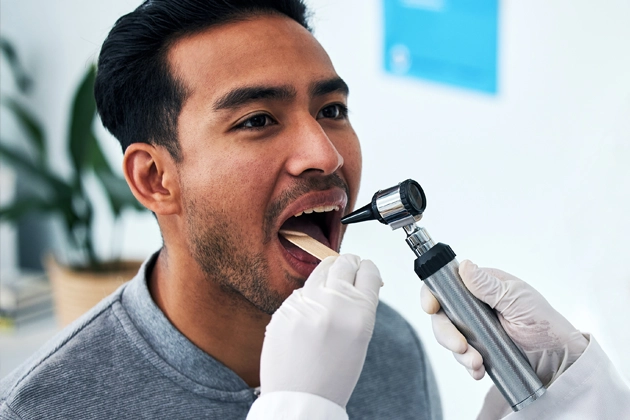
Regular dental checkups play a huge role in early detection. Dentists are trained to spot subtle tissue changes during oral cancer screenings, which can be performed during your regular cleaning.
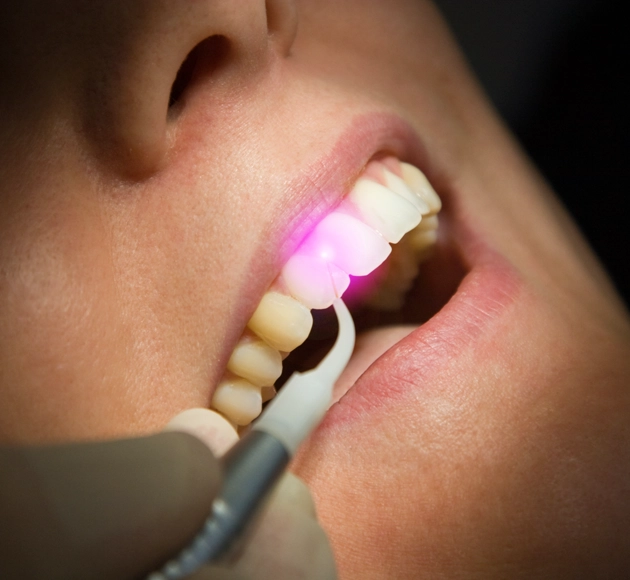
If cancerous or precancerous cells are identified early, treatments such as laser removal, minor surgery, or targeted therapy can be highly successful. For advanced stages, specialists work together to treat oral cancer using surgery, radiation, and chemotherapy, depending on the case.
How Coastal Periodontics Helps Detect and Treat Oral Cancer
At Coastal Periodontics, every patient receives thorough oral exams that include cancer screenings as part of preventive care. Our team uses advanced diagnostic tools to identify even the smallest tissue changes early on.
If abnormalities are found, they collaborate with trusted specialists to ensure you receive the best care to treat oral cancer effectively and compassionately. Our focus is not just on treatment but also on education and prevention — helping patients understand how lifestyle choices, nutrition, and regular visits protect their oral and overall health.
Conclusion
Recognizing the early warning signs of oral cancer can be life-saving. From persistent sores and unusual patches to numbness, difficulty swallowing, or unexplained pain, these subtle changes should never be ignored. Early detection significantly increases treatment success and can protect not just your oral health, but your overall well-being.
At Coastal Periodontics, we prioritize preventive care and thorough oral cancer screenings as part of every visit. Our compassionate team works closely with you to identify potential issues early, provide expert guidance, and ensure you receive the most effective treatment if needed. Don’t wait until symptoms worsen—schedule your screening today and take a proactive step toward safeguarding your health and your smile.
Take Charge of Your Oral Health Today!
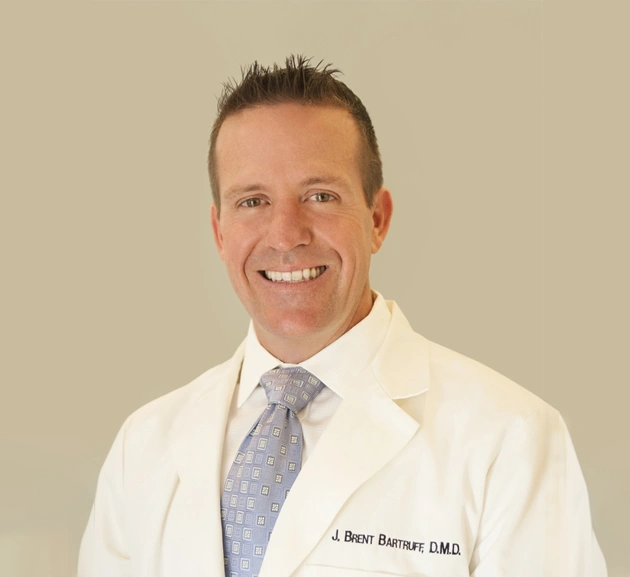
Thank you for taking the time to learn how to recognize the early warning signs of oral cancer! At Coastal Periodontics, Dr. J. Brent Bartruff and our dedicated team are here to help you stay proactive about your oral health. Regular screenings and professional care can make all the difference in early detection and prevention.
Don’t wait until it’s too late—schedule an appointment with us today. We’re committed to providing compassionate, thorough care to protect your smile and your overall well-being. Let’s take the next step toward a healthier mouth and a healthier you!