Bite Problems and Occlusal Adjustment: When You Might Need It


Summary
“This blog explains what occlusal adjustment is, why it’s sometimes needed, common signs that you may require it, the procedure itself, and the benefits it offers. It also highlights professional care options for an effective occlusal adjustment procedure.”
Your bite plays a big role in your oral health. When your teeth don’t come together evenly, it can cause discomfort, tooth wear, and even jaw problems. According to the National Institute of Dental and Craniofacial Research (NIDCR), conditions like bruxism (teeth grinding) and temporomandibular joint disorders (TMJ) affect millions of Americans each year, and many of these issues are linked to how the teeth align.
One treatment that can help is occlusal adjustment. If you’ve ever asked yourself, “What is occlusal adjustment, and when is it necessary?” this blog will give you the answers in simple terms.
What is an Occlusal Adjustment?
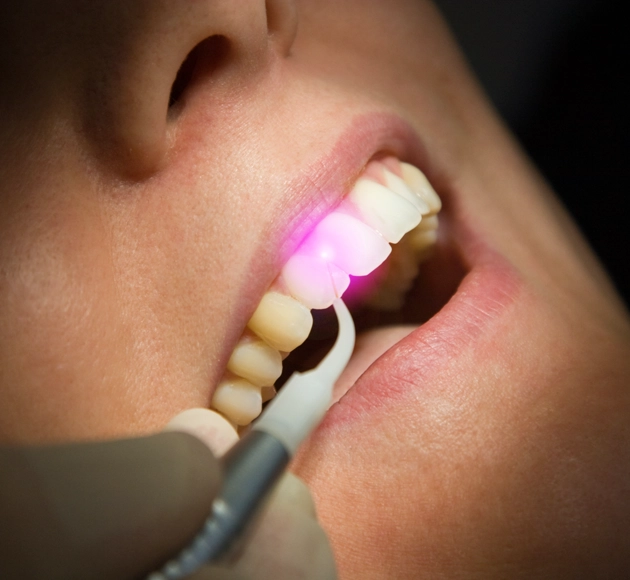
An occlusal adjustment is a minor dental procedure that reshapes the biting surfaces of your teeth so they fit together correctly when you bite down. By carefully polishing or contouring small areas of enamel, your dentist can correct bite imbalances and improve comfort.
This procedure is painless, minimally invasive, and designed to create harmony between your teeth, jaw muscles, and joints.
When is Occlusal Adjustment Necessary?
Not everyone needs this procedure, but it can be recommended in several situations:
Uneven Bite: When teeth don’t close evenly, leading to discomfort.
Teeth Grinding or Clenching (Bruxism): To reduce stress on teeth and jaw joints.
TMJ Disorder: Helps relieve jaw pain and clicking sounds caused by misaligned bites.
After Dental Work: Sometimes needed after crowns, fillings, or braces to fine-tune the bite.
Excessive Tooth Wear: To prevent further damage from uneven pressure.
Check out our happy patients’ Google reviews ☆☆☆☆☆ and see why so many families trust us for their dental care!
Signs You May Need an Occlusal Adjustment
You may benefit from this procedure if you notice:
- Jaw pain or tightness
- Headaches linked to clenching
- Tooth sensitivity or wear
- Clicking or popping sounds in your jaw
- Loose teeth or shifting bite
If these issues sound familiar, it may be worth talking to your dentist.
How the Procedure Works
The occlusal adjustment process is simple and usually completed in one visit:
Examination: Your dentist checks your bite and may use special marking paper to see where teeth are hitting unevenly.
Adjustment: Small areas of enamel are polished or reshaped with precise instruments.
Recheck: The dentist ensures the bite feels balanced and natural.
Because only tiny amounts of enamel are removed, the procedure is safe and comfortable.
Benefits of Occlusal Adjustment
- Reduces jaw pain and tension
- Improves chewing and overall comfort
- Prevents further tooth damage
- Helps stabilize results from orthodontic or restorative treatments
- Enhances long-term oral health
- Professional Care for Best Results
While bite issues may sound minor, they can have lasting effects if untreated. That’s why it’s important to choose experts for an effective occlusal adjustment procedure.
At Coastal Periodontics, patients receive advanced care tailored to their unique bite problems. Our team uses modern technology and years of experience to provide precise, safe, and lasting occlusal adjustments for better oral comfort and health.
Occlusal adjustment is a safe and effective way to correct bite problems that may cause jaw pain, tooth wear, or discomfort. If you experience symptoms like jaw tightness, headaches, or uneven teeth contact, it may be the right solution for you.